

Understanding Colonial Home New Build Construction
When planning to construct your dream home, there are numerous architectural styles and designs to consider. Among them, colonial home design stands out for its historical depth and timeless charm. This style not only evokes traditional aesthetics but also incorporates modern comforts and efficiencies, making it suitable for contemporary living. For those passionate about building a home steeped in character, colonial home new build construction integrates rich heritage with modern construction techniques to create spaces that resonate with both history and innovation.
What is Colonial Home Design?
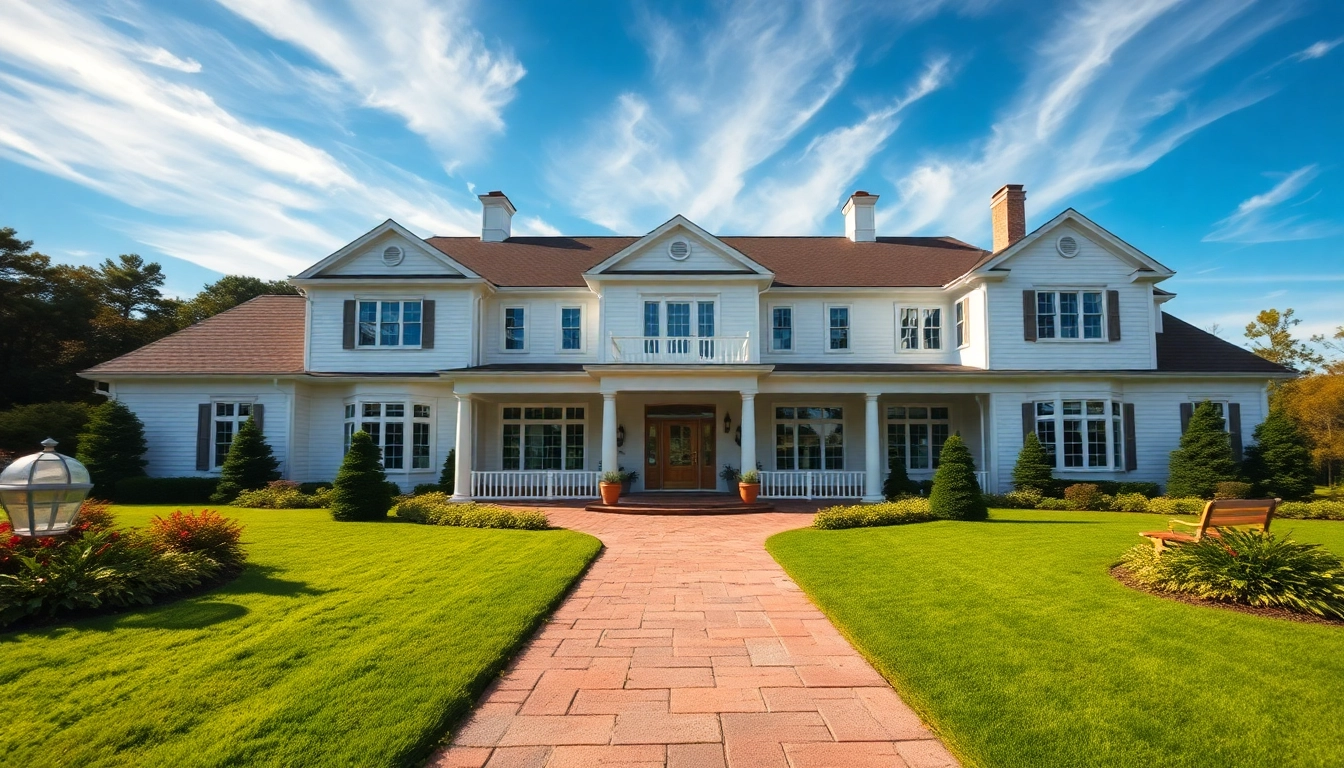
Colonial home design refers to a style that emerged in America during the 17th and 18th centuries, influenced by various European architectural traditions, particularly from England. This style emphasizes symmetry, proportion, and classic detailing. Colonial homes often feature a large, rectangular shape with a centrally located front door, balanced by equal-sized windows on either side. Internally, colonial architecture integrates spacious layouts and functional designs that foster both comfort and a sense of heritage.
Key Features of Colonial Architecture
Colonial architecture is characterized by specific elements that define its aesthetic and functional appeal:
- Symmetry: Colonial homes typically exhibit architectural symmetry where windows and doors are evenly spaced.
- Classic Materials: Common materials include brick, wood, and stone, promoting a natural and inviting look.
- Gabled Roofs: These homes often feature steeply pitched roofs, enhancing their traditional feel.
- Designed Entrances: Front doors are usually elaborate, sometimes adorned with columns, pediments, or decorative moldings.
- Fireplaces: Central to many colonial layouts, fireplaces were originally designed for warmth and cooking, and they often feature prominently in living areas.
Benefits of New Build Construction
Choosing to build a new colonial home provides several advantages:
- Customization: Homeowners can tailor the layout, design, and finishes to their personal preferences.
- Modern Amenities: New builds can incorporate contemporary technology and energy-efficient systems.
- Increased Value: Newly constructed homes are generally more valuable due to their modern features and higher energy efficiency.
- Compliance with Codes: New constructions must comply with current building codes and regulations, ensuring safety and longevity.
Planning Your Colonial Home Build
Initial Setup and Design Planning
Starting your colonial home build requires careful planning and organization. Begin by defining your vision. Create a mood board with architectural inspirations, color palettes, and design themes. Collaborating with an architect who specializes in colonial design will help refine your ideas. They can provide insights into the best practices for blending traditional designs with contemporary needs.
Selecting the Right Location
Choosing the perfect location is crucial for your colonial home. Consider areas with a rich historical background, as these communities often appreciate traditional architecture. Look for flat land that makes construction easier while considering local zoning laws and regulations that might influence your build. Proximity to schools, parks, and community amenities can also enhance your quality of life.
Setting a Realistic Budget
Financial planning is paramount when constructing a colonial home. Establish a comprehensive budget that considers all stages of construction: land acquisition, design and architectural fees, construction costs, and interior finishings. Don’t forget to include a contingency fund for unexpected expenses that may arise during the build. Consulting with a financial advisor or a contractor can help you understand the full scope of investment required.
Construction Process for Colonial Homes
Hiring a Skilled Architect
A skilled architect is indispensable for successful colonial home new build construction. Look for someone with a portfolio showcasing experience in colonial design. They should be able to marry traditional elements with modern techniques, ensuring your home is functional yet historically respectful. Check online reviews and client testimonials to gauge their expertise and professionalism.
Essential Steps in Building
The construction process involves several essential steps:
- Site Preparation: Once you have acquired a plot, the land needs to be cleared, surveyed, and prepped for construction.
- Foundation Work: This involves laying the groundwork, including foundations and basements, which are crucial for structural integrity.
- Framing: The skeletal structure of the house is built next, which sets the foundation for walls, roofs, and windows.
- Roofing and Siding: Installation of roofing materials and exterior finishes will define the applied style of your home.
- Systems Installation: Plumbing, electrical wiring, and HVAC systems are installed to ensure comfort and functionality.
- Interior Finishing: Finally, interiors receive drywall, painting, flooring, and furnishings that reflect your desired aesthetic.
Common Challenges During Construction
While constructing a colonial home can be rewarding, it’s not without its challenges:
- Weather Delays: Inclement weather can slow down construction timelines. An experienced builder will have strategies in place to combat such delays.
- Material Shortages: Availability of quality materials can affect project completion. Planning ahead can help mitigate these risks.
- Cost Overruns: Unexpected expenses are common. Set aside at least 10% of your total budget as a contingency fund.
Styling Your Colonial Home Interior
Traditional vs Contemporary Interior Design
When it comes to styling your colonial home, you can choose to embrace either traditional or contemporary designs. Traditional interiors often include colonial American historical decor such as wooden beams, rich fabrics, and classic patterns. On the other hand, contemporary styles may introduce modern furniture and accents, merging past elegance with present-day functionality. Ultimately, the choice depends on your personal taste and lifestyle needs.
Furnishing Tips for Colonial Spaces
Furnishing a colonial home should evoke comfort while paying homage to its architectural roots. Opt for large, heavy wooden furniture and classic patterns that reflect colonial style. Plush fabrics like velvet and brocade work wonders to add richness. Positioning pieces to foster conversation and relaxation is essential; opt for groupings that invite social interactions.
Importance of Natural Lighting and Space
Maximizing natural light is key to enhancing the aesthetic of colonial interiors. Large windows typical of colonial designs allow sunlight to pour in, enriching the space. Utilize reflective surfaces such as mirrors and light-colored walls to amplify this effect. Moreover, ensure that interiors maintain an open space flow, promoting airiness and comfort while showcasing the structural beauty of your colonial home.
Maintaining Your Colonial Home
Routine Maintenance Best Practices
Regular maintenance is critical to sustaining the integrity and beauty of a colonial home. Schedule seasonal inspections to check for wear and tear, particularly on roofing, siding, and internal systems like plumbing and HVAC. Cleaning gutters, inspecting for pests, and refreshing landscaping contribute to long-term maintenance.
Preserving Architectural Integrity
To preserve a colonial home’s architectural integrity, opt for period-appropriate materials during any repairs or renovations. Maintaining original fixtures, trims, and characters is vital to keeping the home’s historical charm while ensuring it meets modern-day living standards. Retain features like original wood flooring and intricate moldings to honor its history.
Long-term Investment Considerations
Colonial homes typically appreciate well over time, making them solid long-term investments. Research neighborhood trends and keep abreast of real estate developments in your area. Additionally, consider the potential for energy-efficient upgrades that can reduce long-term operational costs and enhance the home’s marketability.
FAQs about Colonial Home New Build Construction
1. What is a colonial home?
A colonial home is a style of architecture that reflects the building traditions established during the colonial era, characterized by symmetry, classic materials, and spacious interiors.
2. How can I choose the right architect for my colonial home?
Look for architects with a strong portfolio in colonial designs and positive client reviews. Schedule consultations to discuss your vision and gauge their suitability.
3. What is the typical construction timeline for a colonial home?
Building a colonial home typically takes between 6 to 12 months, depending on complexity, design, and weather conditions.
4. How do I manage the construction budget effectively?
Project a comprehensive budget that includes all phases of construction, and maintain a contingency fund of at least 10% to cover unexpected expenses.
5. What are the advantages of building a new colonial home?
New colonial homes allow for customization, modern amenities, adherence to building codes, and added energy efficiency, enhancing overall value and comfort.