

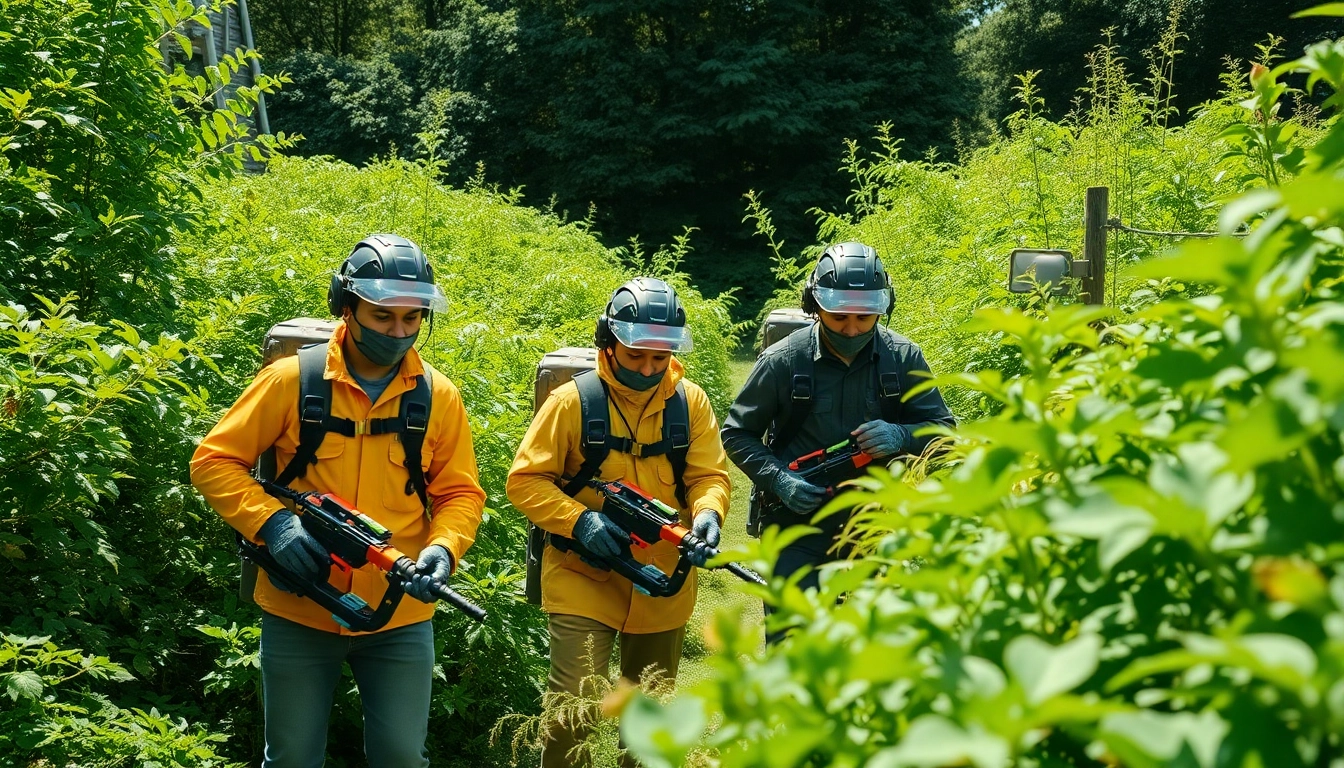
Understanding Japanese Knotweed
What is Japanese Knotweed?
Japanese Knotweed (Fallopia japonica) is an invasive plant species native to East Asia, first introduced to Europe in the 19th century as an ornamental plant. Characterized by its bamboo-like stems, large heart-shaped leaves, and creamy white flowers, it can grow up to 3 meters tall. This plant’s rapid growth and extensive root system make it notorious for spreading quickly, posing significant challenges to property owners and landscapes alike. Its resilience allows it to thrive in various environments, contributing to its classification as a dangerous weed.
Signs of Japanese Knotweed Infestation
Identifying Japanese Knotweed early is crucial for effective management. Signs of infestation include:
- New shoots resembling bamboo emerging in early spring.
- Large green leaves arranged in a zig-zag pattern on the stems.
- Hollow, jointed stems that remain erect even in winter.
- Frayed edges on leaves and clusters of white flowers in late summer.
Homeowners should regularly inspect their gardens and surrounding areas for these indicators, as early detection may prevent significant property damage and expensive removal processes.
Impact on Property and Environment
The presence of Japanese Knotweed poses various risks to property and the surrounding ecosystem. Its aggressive growth can lead to structural damage by invading foundations, patios, drainage systems, and roadways. Moreover, its root system can extend up to 3 meters deep, making it difficult to eradicate once established. Environmental impacts include:
- Displacement of native flora and fauna due to its rapid spread.
- Increased risk of soil erosion as its roots can destabilize the surrounding terrain.
- Negative effects on biodiversity in local ecosystems.
Consequently, effective Japanese Knotweed Removal strategies are critical to protecting both property and natural habitats.
Methods for Japanese Knotweed Removal
Manual Removal Techniques
Manual removal of Japanese Knotweed can be an option for small infestations but requires meticulous work. Techniques include:
- Digging: Removing the entire plant, including its roots, is vital for preventing regrowth. This should be done thoroughly, as any remaining rhizome fragments can regrow.
- Cutting: This involves cutting back the plant to ground level several times during the growing season. While this won’t eliminate the plant, it reduces its energy reserves and can help manage its spread temporarily.
- Disposal: Any removed plant material must be disposed of correctly, following local regulations. It’s critical to prevent the spread of the invasive species.
While manual methods can be effective for minor outbreaks, they require persistence and diligence to ensure all plant parts are eradicated.
Chemical Control Options
Chemical control may be necessary for larger infestations where manual removal is impractical. The most effective herbicides include:
- Glyphosate: A systemic herbicide that effectively penetrates the plant’s tissues.
- Triclopyr: Suitable for treating tougher woody species; can help in areas where Japanese Knotweed has become entrenched.
Applying these chemicals requires strict adherence to the manufacturer’s instructions to avoid damaging surrounding plants and wildlife. It’s also essential to consider the best time for application, as herbicides are most effective during the plant’s active growth phases.
Best Practices for Effective Eradication
Eradicating Japanese Knotweed demands a strategic approach. Best practices include:
- Integrated Management: Combine physical, chemical, and biological control methods for the best results.
- Regular Monitoring: Frequent checks can help catch any regrowth early before it spreads.
- Documentation: Keeping records of treatments and observations can be invaluable for tracking progress.
Implementing these best practices not only enhances the efficacy of removal procedures but also helps prevent re-infestation.
Preventing Japanese Knotweed Regrowth
Soil Treatment Strategies
After removal, treating the soil can prevent Japanese Knotweed from returning. Some effective strategies include:
- Soil Conditioning: Improve soil health with organic matter to promote the growth of desirable species.
- Mulching: Apply a thick layer of mulch to obstruct sunlight, impeding any potential regrowth.
Regular testing of soil can also determine if additional treatments are needed to discourage the plant’s return.
Long-Term Monitoring Techniques
Ongoing monitoring is crucial for ensuring that Japanese Knotweed does not return. Techniques include:
- Scheduled Inspections: Regularly check previously infested areas for new growth.
- Site Records: Maintain records of inspections and treatments to track the history of infestations and responses.
Implementing a monitoring plan can significantly reduce the likelihood of reinfestation and allow for early intervention if necessary.
Landscaping Solutions
Utilizing landscaping techniques can also help prevent the regrowth of Japanese Knotweed. Consider these solutions:
- Native Planting: Introduce native vegetation that can outcompete invasive species and restore ecological balance.
- Barrier Installation: Installing geotextile membranes can limit the spread of roots while managing water drainage.
By redesigning landscapes to promote native flora, property owners can create a resilient environment that reduces the risk of Japanese Knotweed returning.
Legal Considerations in Knotweed Removal
Understanding Local Regulations
Understanding local laws surrounding Japanese Knotweed is crucial, as failing to manage this invasive species can have legal ramifications. In many regions, it is illegal to plant, spread, or sell Japanese Knotweed. Homeowners must be informed of their responsibilities, which often include:
- Proper disposal methods for infected plants.
- Reporting infestations to local authorities if they affect public land.
Consulting local environmental agencies can provide clarity on regulations and best practices.
When to Involve Professionals
Involving professionals in Japanese Knotweed removal can often save time and money in the long run. It’s wise to seek expert help when:
- The infestation is too large for effective manual control.
- Local regulations require compliance with specific treatment methods.
- There’s uncertainty about the removal process or related legal obligations.
Professional services often use comprehensive strategies and have access to specialized equipment, ensuring effective remediation.
Insurance and Liability Issues
Property owners may face insurance challenges if Japanese Knotweed spreads onto neighboring properties. It is essential to consider:
- Liability Coverage: Verify that your homeowner’s insurance covers damage related to invasive species.
- Documentation: Keeping records of infestations and treatments may aid in potential claims.
Discussing these issues with an insurance agent can clarify responsibilities and mitigate risks associated with Japanese Knotweed.
FAQs About Japanese Knotweed Removal
What are the risks of leaving knotweed untreated?
Untreated Japanese Knotweed can cause significant structural damage, degrade property value, and impact surrounding ecosystems due to its invasive nature.
How long does Japanese Knotweed removal take?
The duration of removal can vary widely, typically ranging from a few weeks to several years, depending on infestation size and eradication methods.
Can I remove Japanese Knotweed myself?
While DIY removal is possible for small infestations, specific knowledge of techniques and proper disposal is essential to prevent regrowth.
What plants can I use to deter Japanese Knotweed?
Planting native species that thrive in your area can help outcompete Japanese Knotweed and prevent its spread through natural competition.
Are there any seasonal considerations for removal?
The best time to remove Japanese Knotweed is during its active growing season, typically late spring to early summer, when it is most vulnerable.