

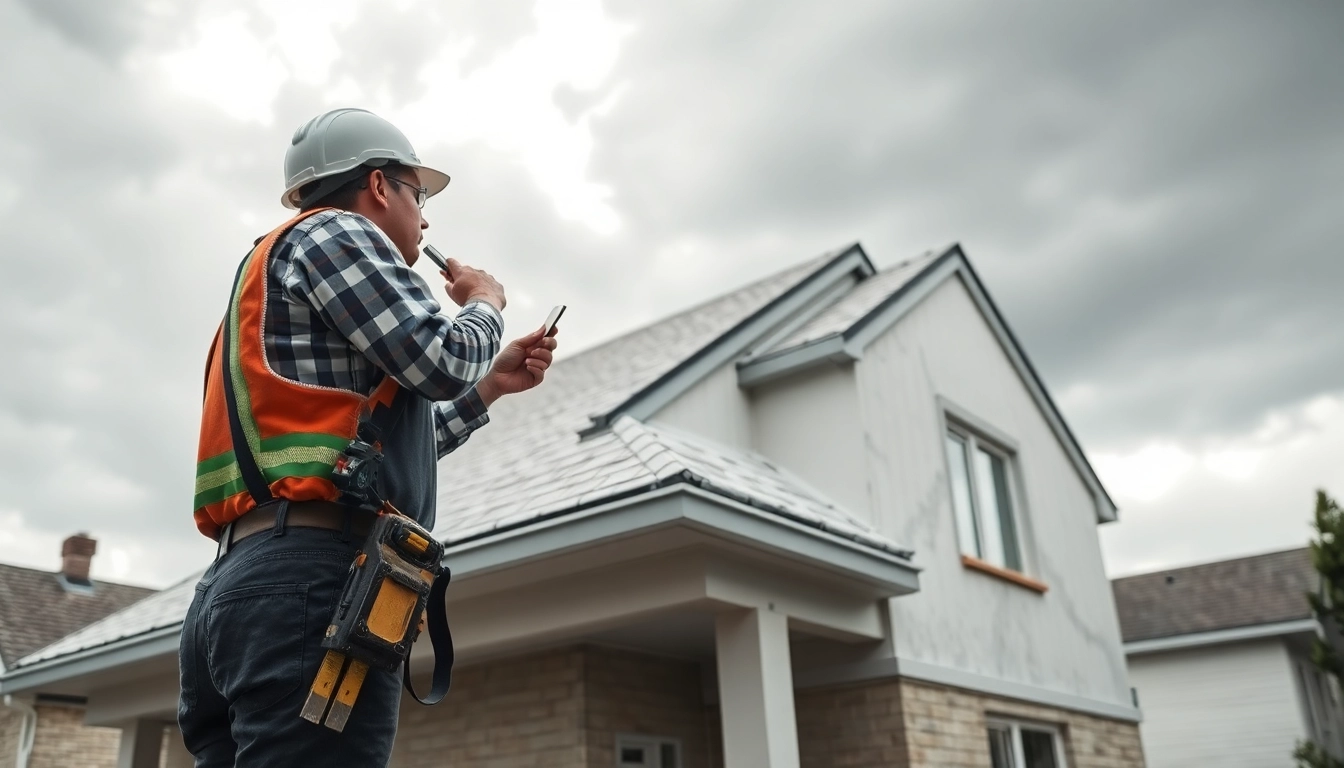
Common Issues with Spray Foam Roof Problems
Spray foam roofing is a popular choice for residential and commercial buildings due to its ease of installation and superior insulation properties. However, just like any roofing system, it can suffer from various problems that may affect its performance and longevity. Understanding these problems is crucial to maintaining a sound roof. In this section, we will explore common issues associated with spray foam roof problems, focusing on how to identify them early on.
Identifying Roof Leaks
One of the most significant concerns for any roofing system is the possibility of leaks. Roof leaks can be difficult to detect with spray foam because the foam material covers the surface fully. To identify roof leaks in spray foam systems, homeowners should regularly check for:
- Water stains on the ceilings or walls.
- Pooling water on the roof surface.
- Increased energy bills indicating possible air leaks.
Inspecting the roof after heavy rains can also help identify leaks, as any moisture accumulation or dripping indoors can point towards compromised areas.
Signs of Improper Installation
Improper installation is a common factor contributing to spray foam roof problems. Recognizing signs of subpar application can save money in future repairs. Key indicators include:
- Poorly blended foam seams resulting in visible gaps.
- Insufficient thickness of the foam, making it vulnerable to damage.
- Trapped air bubbles or uneven surface textures.
Homeowners should ensure that installation is performed by certified professionals who follow industry standards to mitigate these issues.
The Impact of Weather Conditions
Weather conditions play a crucial role in the integrity of a spray foam roof. Extreme heat can cause the foam to expand and crack, while icy conditions can lead to brittleness. Rain and humidity can exacerbate other issues, such as:
- Moisture penetration leading to mold and mildew growth.
- Damage from snow accumulation which can create stress on the roof structure.
Preparing for seasonal changes with regular maintenance checks can help property owners address these risks proactively.
Preventative Measures for Spray Foam Roof Problems
Preventative measures are vital for extending the lifespan of spray foam roofing systems. By adopting maintenance practices and using quality materials, property owners can minimize the occurrence of spray foam roof problems.
Regular Maintenance Tips
Regular maintenance is essential for protecting spray foam roofs. Here are some effective tips:
- Conduct biannual inspections, especially after severe weather.
- Clean the roof’s surface of debris, leaves, and other organic materials that can hold moisture.
- Ensure drainage systems are clear to prevent standing water.
These actions help maintain roof integrity and prevent long-term damage.
Choosing Quality Materials
The quality of spray foam used can significantly impact performance. When choosing materials, consider the following:
- Look for products with high R-values for better insulation.
- Select foam formulations designed to withstand local weather conditions.
- Check for certifications from relevant organizations, ensuring compliance with industry standards.
Investing in high-quality materials often translates to fewer issues down the line.
Professional Inspections
Hiring professionals to conduct routine inspections can save significant costs. Trained experts can identify potential problems before they escalate. Schedule inspections:
- Annually, to ensure ongoing roof performance.
- After extreme weather events, to assess damage.
Early intervention can lead to minor repairs rather than costly replacements.
Repair Options for Spray Foam Roof Problems
When spray foam roof problems arise, knowing your repair options is crucial. Addressing issues promptly can help prevent further damage and associated costs.
Patch Repair Techniques
For minor damage such as small cracks or holes, patch repair techniques can be effective. Follow these steps:
- Clean the damaged area thoroughly to remove debris and contaminants.
- Apply a compatible patching material, ensuring proper adherence.
- Allow the patch to cure completely before exposing it to moisture.
Using high-quality patching materials can enhance the longevity of repairs.
Full Roof Replacement Scenarios
In cases of severe damage or failure, a full roof replacement might be necessary. This option is generally considered if:
- Large sections of foam are deteriorating beyond repair.
- Extensive water damage has compromised the underlying structure.
A roof replacement allows for the installation of a new, high-performing foam system that meets current standards.
Cost Considerations
The costs associated with repairs and replacements can vary widely based on the extent of damage and local labor rates. Property owners should consider:
- Getting multiple estimates from contractors.
- Budgeting for additional costs like preparation and cleanup.
While immediate costs may seem daunting, timely repairs can ultimately save money in the long run by preventing larger issues.
Impact of Unresolved Spray Foam Roof Problems
Ignoring spray foam roof problems can lead to severe consequences. Understanding these impacts can help motivate preventative actions and timely repairs.
Structural Damage Risks
When roofs are left unchecked, structural integrity can suffer. Water leaks can lead to:
- Rotting of wooden supports.
- Cracking in the walls and ceilings.
This damage can escalate repair costs significantly if not addressed promptly.
Energy Efficiency Loss
Compromised spray foam roofs can lead to increased energy bills due to air leaks and poor insulation. This inefficiency results in:
- Higher heating and cooling costs.
- Uncomfortable indoor temperatures.
Maintaining the integrity of the foam is vital for energy efficiency and comfort.
Health Concerns from Moisture
Moisture trapped in the roofing system can lead to health issues including mold and mildew growth. These can cause:
- Respiratory problems for occupants.
- Allergies and other health concerns linked to poor indoor air quality.
Addressing moisture problems is essential for a healthy living environment.
Frequently Asked Questions About Spray Foam Roof Problems
What are the common signs of spray foam roof problems?
Common signs include water stains indoors, visible cracks, and increased energy bills, which indicate potential leaks or poor insulation.
Can I repair minor spray foam roof problems myself?
Yes, minor issues can be fixed using patch repair techniques. Ensure you follow proper procedures for the best results.
How often should spray foam roofs be inspected?
It is advisable to inspect spray foam roofs at least once a year and post-storm to catch any potential damages early.
What is the lifespan of a spray foam roof?
Quality spray foam roofs can last 20 to 30 years if properly maintained, significantly enhancing their value.
Are spray foam roofs worth the investment?
Yes, spray foam roofs are worth it for their durability, energy efficiency, and insulation properties, offering long-term savings.