

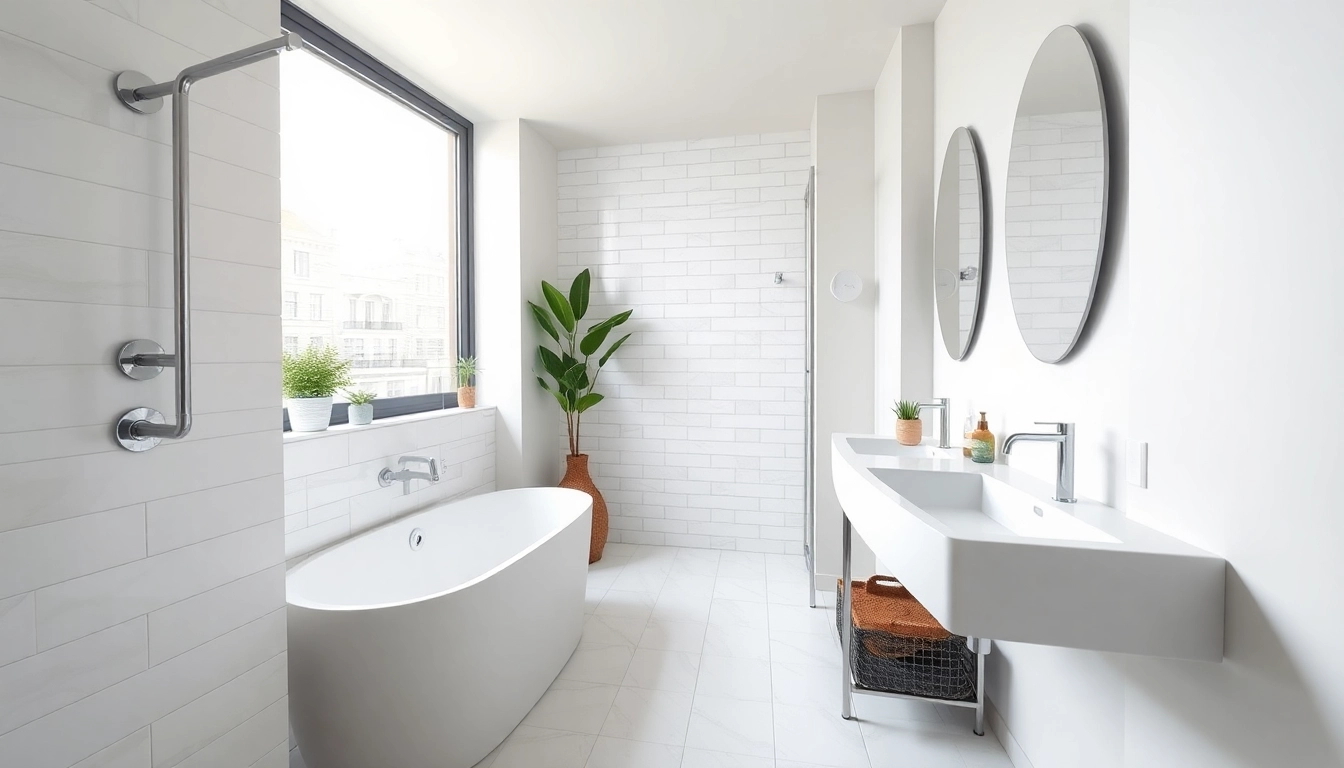
Understanding the Basics of Small Bathroom Remodel
Embarking on a small bathroom remodel can feel overwhelming, especially for homeowners looking to maximize functionality and aesthetics in a compact space. Successful remodeling begins with a comprehensive understanding of spatial planning, design pitfalls, and style preferences. This section lays the groundwork for navigating your project with confidence.
Importance of Planning Your Space
Planning is paramount in any remodel, but it’s especially critical in smaller spaces. A well-thought-out plan ensures that every inch serves a purpose, maximizing room usability. Begin by assessing your current layout: take measurements, note room features, and identify areas that require change. Utilize design software or draw scaled sketches to visualize potential layouts.
Consider flow and function: how will you move through your bathroom? Will the new arrangement accommodate your daily routines? Assign priority to what’s most important—whether that’s a double vanity, a larger shower, or additional storage. A good remodel maximizes floor space while maintaining a balance between utility and style.
Identifying Common Mistakes
Even seasoned remodelers can fall into traps that lead to unsatisfactory results. Common pitfalls include:
- Underestimating Costs: Failing to account for all necessary materials and labor can lead to budget overruns.
- Skimping on Quality: Choosing cheap fixtures or materials can result in more significant costs due to frequent replacements.
- Poor Layout Choices: Neglecting to consider the bathroom’s flow can impact user experience.
- Ignoring Lighting: Sufficient light is essential for aesthetics and functionality; plan lighting layers wisely.
Choosing the Right Style
Your bathroom style should reflect your personal taste while adhering to practicality. Popular styles for small bathrooms include:
- Modern: Clean lines and minimalistic fixtures characterize this style, promoting a clutter-free environment.
- Traditional: Timeless details, such as wainscoting and classic color palettes, create inviting spaces.
- Industrial: Raw materials like exposed pipes and metal fixtures add a unique edge while maintaining functionality.
Consider how each style will integrate with existing decor in adjacent areas. Choose elements that will harmonize to create a seamless transition throughout your home.
Budgeting for Your Small Bathroom Remodel
Creating a precise budget is integral to your remodeling project. Understanding expenses allows you to allocate funds efficiently and avoid financial strain as work progresses.
Factors to Consider When Budgeting
Various factors influence your overall budget, including:
- Size and Scope: The extent of your remodel—are you updating fixtures or overhauling the entire layout?
- Materials: The choice between luxury and budget-friendly materials can significantly impact costs.
- Labor Fees: Hiring professionals versus DIY can yield drastic differences in expenses.
It’s essential to conduct market research to arm yourself with knowledge about local labor rates and material costs.
Budget-Friendly Design Tips
Here are several tips to keep your remodel within budget:
- Reuse Existing Fixtures: Retain functioning fixtures that can be refreshed with paint or new surfaces.
- Shop Sales and Discounts: Timing your purchases around holiday sales can save money on larger items.
- Choose Affordable Materials: For example, opting for laminate countertops over granite can yield impressive savings.
Where to Invest and Where to Save
Allocating your budget wisely can optimize your bathroom’s impact without compromising quality. Consider these guidelines:
- Invest in Key Elements: High-quality plumbing fixtures or a solid vanity enhance functionality and aesthetics.
- Save on Accessories: Decorative elements like towels, artwork, and mirrors can be updated affordably over time.
By discerning where to splurge and where to cut, you can achieve a beautiful remodel that meets your needs without financial regret.
Key Design Elements in Small Bathroom Remodel
When remodeling a small bathroom, several design elements can optimize functionality and style. Understanding how to integrate them effectively is crucial.
Choosing Functional Fixtures
Functional fixtures ensure that your space works as intended and meets all your needs. Consider the following:
- Space-Saving Toilets: Low-profile, compact toilets can improve floor space.
- Wall-Mounted Vanities: These create a sense of openness while maximizing floor area.
- Shower Enclosures: Opt for clear glass enclosures to make the space appear larger.
Invest in robust plumbing fixtures that provide excellent water pressure and efficiency.
Maximizing Storage Solutions
Effective storage is vital in a small bathroom to avoid clutter. Consider the following strategies:
- Over-the-Toilet Shelving: Utilize this often-neglected space for additional storage.
- Built-in Cabinets: Custom cabinetry allows for seamless integration into your design.
- Mirrored Cabinets: These provide dual functionality, serving as both storage and a vanity mirror.
Be sure to assess storage needs before defining your storage solution; prioritize away bulky items that you use infrequently.
Using Color and Lighting Wisely
Color and lighting choices can dramatically transform a space, enhancing its perceived size and style:
- Light Colors: Soft and light hues on walls can create an illusion of space.
- Accent Walls: A strategically placed darker accent can add depth without closing off the area.
- Layered Lighting: Combine task, ambient, and accent lighting for a brighter, more inviting environment.
Choose finishes that reflect light, such as gloss or semi-gloss paints and light-colored tile, to increase brightness.
Finding a Contractor for Your Small Bathroom Remodel
Once you have a solid plan in place, enlisting experienced professionals can help you navigate the complexities of your small bathroom remodel.
What to Look for in a Contractor
Selecting the right contractor is key to a successful renovation. Look for:
- Experience: Choose a contractor with a proven track record in bathroom remodels.
- References and Reviews: Positive testimonials and previous project feedback are essential.
- Licensing and Insurance: Confirm that the contractor holds relevant licenses and maintains liability insurance.
Interview Questions to Ask
During the interview process, consider asking the following questions to gauge the contractor’s suitability:
- What is your experience with similar small bathroom projects?
- How will you manage the project timeline and keep me updated?
- Can you provide a detailed written estimate?
- What is your process for handling unexpected issues that arise during renovations?
- Will you be managing subcontractors, or will I be interacting with them directly?
Understanding Contracts and Agreements
Once you’ve selected a contractor, it’s crucial to understand the terms outlined in the contract. Pay special attention to:
- Payment Terms: Understand when payments are due and the total cost of the project.
- Scope of Work: Ensure the contract details all aspects of the remodel from start to finish.
- Timeline: Look for specified start and end dates to hold the contractor accountable.
- Guarantees: Ask about warranties on work completed and materials used.
Frequently Asked Questions About Small Bathroom Remodel
What are the best colors for a small bathroom?
Light colors such as whites, soft grays, and pastels are recommended, as they create an open feel. Accent colors can add depth without overwhelming the space.
How can I make my small bathroom feel bigger?
Use light colors, install wall-mounted fixtures, and incorporate mirrors to reflect light and create the illusion of space. A glass shower door can also help.
What are cost-effective materials for remodeling?
Consider laminate countertops, ceramic tiles, and resilient vinyl for flooring. These materials offer durability and aesthetic appeal at lower costs.
How long does a small bathroom remodel take?
A typical remodel can take anywhere from a few weeks to several months, depending on the extent of the renovation and contractor availability.
Is it possible to remodel a bathroom DIY?
Yes, many aspects can be handled as DIY projects, such as painting, installing new fixtures, or tiling. However, involve a professional for plumbing and electrical work.