

Introduction to Fluid Power Systems
Fluid power systems are critical technologies employed across various industries, utilizing fluid under pressure to transmit energy effectively. These systems operate based on the principles of hydraulics and pneumatics and are instrumental in powering machinery, tools, and vehicles. The understanding of fluid power systems encompasses not just their mechanics, but also their historical context and evolution. This article aims to provide a detailed exploration of fluid power systems, their applications, and future prospects.
Defining Fluid Power Systems
Fluid power systems relate to the use of fluids to generate, control, and transmit power. Broadly categorized into hydraulics (using liquids) and pneumatics (using gases), these systems effectively convert various forms of energy into mechanical energy through pressurized fluids. They are widely applied in industrial settings for tasks requiring high power and precision.
Historical Development of Fluid Power Technology
The inception of fluid power technology dates back to ancient hydraulic systems, with significant advancements occurring throughout the Industrial Revolution. Engineers began to grasp the principles of fluid mechanics, leading to innovations such as hydraulic presses and pneumatic tools. Over the decades, the integration of electronics and digital technologies has further revolutionized fluid power systems, offering enhanced control and efficiency.
Key Components of Fluid Power Systems
- Pumps: Convert mechanical energy into hydraulic energy by moving fluid.
- Actuators: Devices that convert hydraulic energy back into mechanical movement.
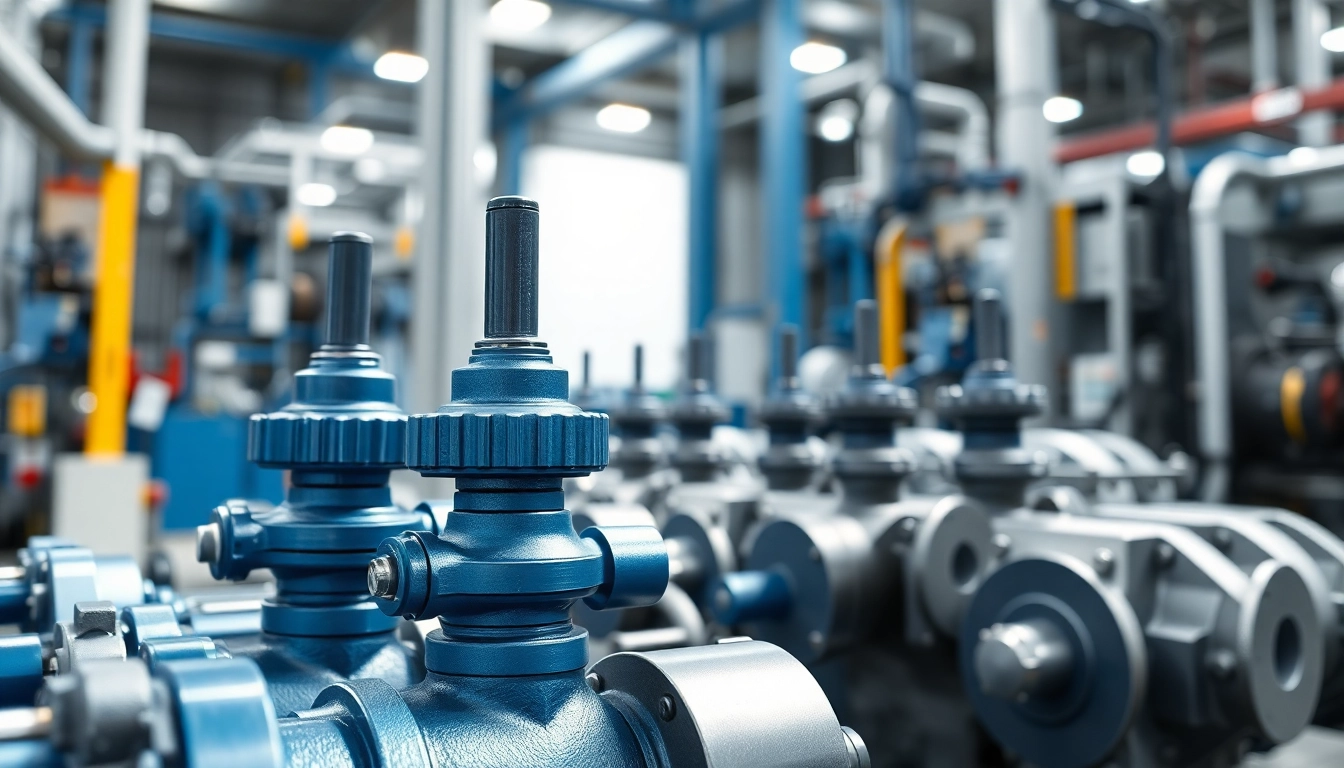
- Valves: Regulate the flow and pressure of the fluid in the system.
- Fluid Reservoirs: Store the hydraulic fluid, ensuring a constant supply and pressure.
- Filters: Ensure fluid cleanliness to protect system components from contaminants.
Types of Fluid Power Systems
Hydraulic Systems Explained
Hydraulic systems utilize incompressible fluids—typically oil—under pressure to perform work. By controlling the flow of the fluid through valves, hydraulic systems can mobilize heavy machinery, allowing for powerful and precise operations. Their ability to exert large forces in confined spaces makes them ideal for applications in construction, manufacturing, and aviation.
Pneumatic Systems Overview
Pneumatic systems, on the other hand, use compressible gases—most often air. These systems excel in applications requiring quick motion and less force. While they are generally lighter and simpler than hydraulic systems, they are limited by the compressibility of gases, which can impact precision in certain applications. Pneumatics are commonly utilized in tools, packaging machinery, and various automation processes.
Comparative Analysis of Hydraulic and Pneumatic Systems
The choice between hydraulic and pneumatic systems often depends on the application requirements. Hydraulic systems provide greater force and can operate under higher loads, making them suitable for heavy-duty tasks. However, they typically require more maintenance due to potential leaks and fluid management issues. Pneumatic systems, while less powerful, offer superior speed and responsiveness, making them ideal for automation in lighter applications. Analyzing these strengths and weaknesses helps industries select the appropriate system for their specific needs.
Applications of Fluid Power Systems
Industries Utilizing Fluid Power Systems
Fluid power systems find applications in numerous industries, including:
- Manufacturing: Automating processes and controlling machinery for efficiency and precision.
- Automotive: Powering assembly line equipment, brake systems, and other vehicle functions.
- Aerospace: Operating aircraft systems, including landing gear and flight control systems.
- Construction: Facilitating the operation of excavators, cranes, and other heavy machinery.
Case Studies: Success Stories
Numerous case studies illustrate the successful implementation of fluid power systems. For instance, in the automotive industry, the integration of advanced hydraulic systems in assembly lines has significantly reduced production times while enhancing precision. Similarly, in construction, the adoption of hydraulic cranes has increased lifting capabilities and efficiency at job sites.
Emerging Trends in Fluid Power Applications
Current trends point toward increased automation and smart technology integration within fluid power systems. Innovations such as IoT (Internet of Things) connectivity allow for real-time monitoring and diagnostics, leading to predictive maintenance and reduced downtime. Furthermore, advancements in eco-friendly fluids highlight the industry’s commitment to sustainability and reduced environmental impact.
Benefits of Fluid Power Systems
Energy Efficiency and Performance
Fluid power systems are known for their energy efficiency, particularly hydraulic systems, which can transmit power over long distances without significant loss. Furthermore, modern advancements in pump and valve technology have enhanced performance metrics, ensuring that energy consumption is minimized while still achieving high output levels.
Advantages in Automation and Control
Automation of processes using fluid power systems enhances operational control and precision. Systems equipped with advanced control technology can be finely tuned to optimize performance and reduce waste, making them ideal for manufacturing and other production environments.
Safety Features in Fluid Power Systems
Safety is a critical factor in the design of fluid power systems. Many modern systems are equipped with safety valves, pressure sensors, and automated shutdown features to prevent accidents caused by sudden pressure surges or fluid leaks. These features significantly reduce workplace accidents and enhance overall operational safety.
Future of Fluid Power Systems
Innovations Shaping Fluid Power
The future of fluid power systems is poised for significant transformation due to ongoing research and technological advances. Innovations such as smart fluids, advanced sensors, and automation tools are enhancing the functionality and adaptability of these systems across various applications. The integration of machine learning algorithms with fluid power technology promises optimized performance and predictive maintenance capabilities.
Challenges Facing Fluid Power Systems
Despite their advantages, fluid power systems face challenges, particularly in terms of energy consumption and environmental impact. The industry is actively pursuing sustainable options, including the development of bio-based hydraulic fluids and energy recovery systems that minimize waste and environmental harm.
Strategies for Sustained Growth in the Sector
To ensure sustained growth, the fluid power industry must continuously innovate and evolve. Investing in research and development, embracing sustainability initiatives, and focusing on workforce training will be essential for adapting to the changing technological landscape and meeting future market demands.
Frequently Asked Questions
What are fluid power systems?
Fluid power systems utilize pressurized fluids to transmit energy, encompassing hydraulic and pneumatic technologies for various applications.
What industries use fluid power?
Common sectors include manufacturing, automotive, aerospace, construction, and robotics, utilizing fluid power for diverse tasks.
What are the main components?
Key components include pumps, valves, actuators, reservoirs, and filters, which work in tandem to ensure efficient operation.
Why choose fluid power systems?
They offer high efficiency, power density, and precise control, making them suitable for demanding applications.
What’s the future of fluid power?
Future innovations are focused on making systems more energy-efficient, automated, and responsive to modern demands through smart technology.
Contact Information
Call Us: 1 780-452-2876
Email: [email protected]
Address: 13111 159 St NW, Edmonton, AB, Canada, T5V 1H6
