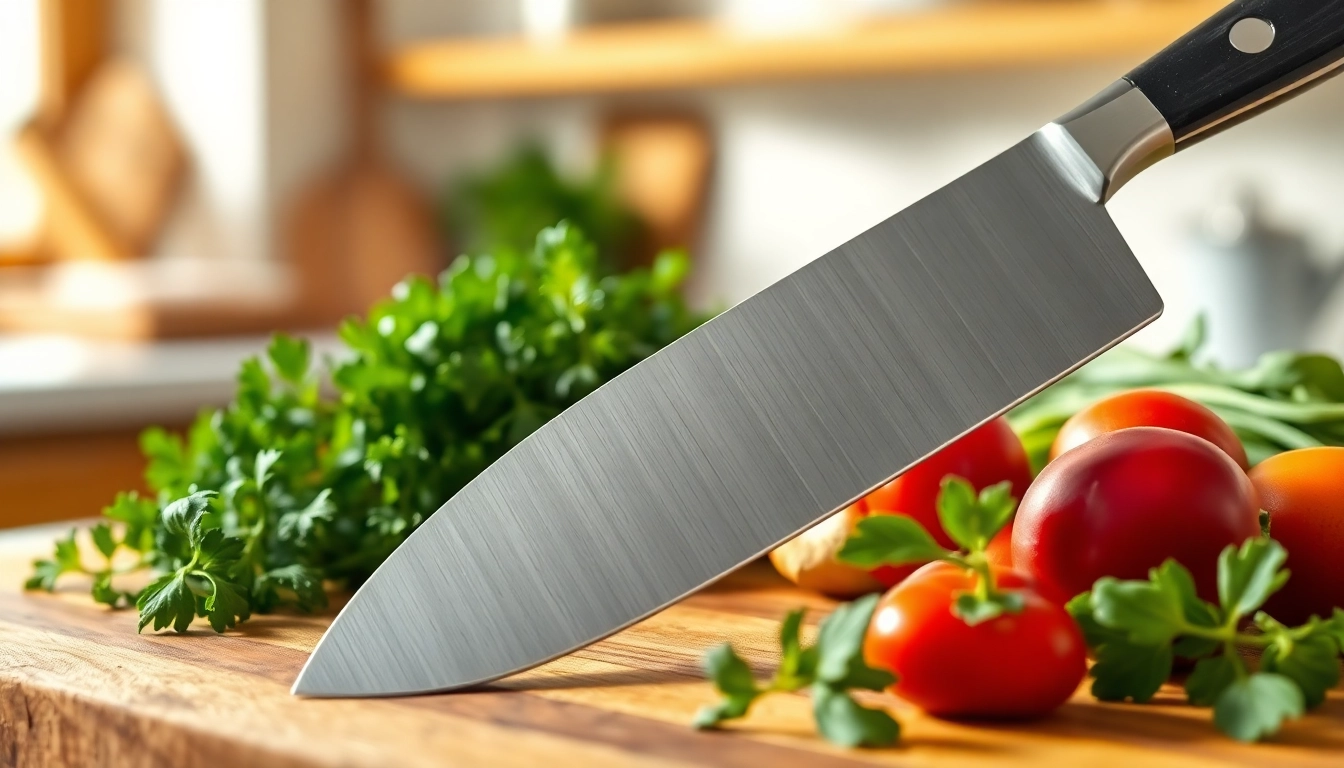
Understanding the Basics of Chef's Knives
In the culinary world, choosing the right tools can significantly impact the quality of your dishes. Among these tools, a chef's knife is often considered the most essential. Whether you are a home cook or a culinary professional, knowing how to choose a chef’s knife is vital for enhancing your cooking experience and efficiency. In this comprehensive guide, we will delve into the world of chef's knives, examining their features, materials, sizes, and more, so that you can make an informed decision.
What Is a Chef's Knife?
A chef's knife is a versatile cutting tool typically measuring between 6 to 12 inches in length. This knife is designed for various kitchen tasks such as chopping, slicing, dicing, and mincing. It usually features a broad blade that tapers to a point, allowing it to easily cut through food with precision and control. Its multipurpose nature makes it the go-to knife for both novice and experienced cooks.
Key Features of a Quality Chef's Knife
When considering a chef's knife, it's important to focus on certain features that denote quality. Look for the following:
- Blade Material: High-quality steels or composites offer durability and sharpness.
- Ergonomics: A well-designed handle provides comfort and reduces fatigue during prolonged use.
- Balance: A well-balanced knife will feel lighter and easier to handle, requiring less effort to control.
- Edge Type: A fine edge is ideal for precision cutting, while a serrated edge is perfect for slicing through crusty breads.
Benefits of Having the Right Knife
Investing in a high-quality chef’s knife has numerous benefits. It can enhance your cutting efficiency, allowing you to prepare meals faster. A good knife reduces the risk of accidents, as it requires less force to perform cuts. Furthermore, it can make cooking more enjoyable, as the right tools lead to better outcomes, ultimately encouraging culinary creativity.
Material Matters: Blade Composition
Types of Steel and Their Properties
The material of the blade is one of the most critical factors in a chef's knife's performance. Common blade materials include:
- Carbon Steel: Offers excellent sharpness and edge retention but requires maintenance to prevent rust.
- Stainless Steel: Resistant to rust and easier to maintain, though it may not hold an edge as long as carbon steel.
- High-Carbon Stainless Steel: A hybrid of both materials, providing durability, sharpness, and resistance to corrosion.
Alternative Materials for Knife Blades
In addition to steel, some knives feature ceramic or even titanium blades. Ceramic blades are lightweight and offer great sharpness, but can be brittle. Titanium is known for its strength and lightweight properties, offering an alternative for those looking for a durable option.
Impact of Blade Material on Performance
The blade material directly affects the knife's sharpness, durability, and maintenance requirements. Higher-quality materials may be more expensive but can greatly enhance your culinary journey. Understanding the pros and cons of each material will enable you to make a better choice based on your cooking habits and preferences.
Size and Weight: Finding Your Comfort Zone
How Length Affects Versatility
Chef’s knives typically range from 6 to 12 inches in length. A shorter knife (6-8 inches) is easier to handle for small tasks, while a longer blade (10-12 inches) is ideal for larger tasks and may provide more leverage. Consider your cooking style: if you often prepare larger ingredients, a longer blade may be more efficient.
Choosing the Right Weight for Your Style
The weight of a chef’s knife can influence your control over it. A heavier knife might provide more heft for cutting through dense materials, while a lighter knife could be perfect for delicate tasks or prolonged usage to prevent fatigue. Ultimately, it is essential to find a weight that feels comfortable in your hand.
Balance and Its Importance in a Chef's Knife
A well-balanced knife will feel stable and easy to maneuver. You should feel weight distributed evenly between the blade and handle. To test balance, hold the knife at the bolster (the joint between the blade and handle) and see if it feels stable. This balance is very personal, so trying out different options is crucial.
Understanding Handle Styles and Comfort
Material Choices for Knife Handles
Knife handles come in various materials, each offering different benefits:
- Wood: Classic and aesthetically pleasing, but requires maintenance to prevent damage.
- Plastic: Affordable and easy to clean, though may not offer the same comfort level.
- Composite: Often blends various materials for durability and aesthetics.
Importance of Ergonomics in Handle Design
Ergonomic designs are vital for reducing wrist strain during prolonged use. A handle that fits comfortably in your hand can make a significant difference in your preparation efficiency. Consider handles that are contoured to your grip and allow for a solid, comfortable hold.
Testing for Comfort: How to Grip a Knife Properly
Before making your purchase, it's essential to test the knife in-store if possible. Grip it as you would during normal use, checking for comfort and how securely it fits in your hand. A proper grip reduces the risk of slippage and accidents while ensuring you maintain control during cutting tasks.
Practical Tips on How to Choose a Chef’s Knife
Factors to Consider Based on Cooking Style
Your cooking style greatly influences the type of chef's knife that is best suited for you. If you frequently cook meals that require a variety of cutting techniques, a versatile knife with a comfortable grip, balanced weight, and appropriate blade length is ideal. Alternatively, if you're into more specialized cooking, consider specific blade characteristics that align with your needs.
Setting a Budget: Quality vs. Cost
While chef’s knives can vary greatly in price, it's essential to prioritize quality over cost. High-quality knives may require a more significant upfront investment but will outlast cheaper options. Determine a budget that allows for purchasing a knife that meets your needs while maintaining durability.
Where to Buy: Retail vs. Online Shopping
When shopping for a chef's knife, consider the benefits of both retail and online shopping. Retail stores provide the opportunity for hands-on testing of the knife, which enables you to assess the weight, balance, and comfort. Online shopping offers convenience and variety, but be sure to purchase from reputable sites that provide clear return policies.
Frequently Asked Questions
1. What size chef's knife should I choose for my kitchen?
A knife between 8 to 10 inches is ideal for most home cooks, offering versatility. If you prefer more control, consider a shorter knife.
2. Are more expensive chef’s knives always better?
Not necessarily; while quality often correlates with price, personal comfort and preference are crucial. Test different knives to find what suits you.
3. Can I use a chef's knife for all types of food?
Yes, chef's knives are versatile and can handle a variety of tasks, but for specific jobs like filleting or bread cutting, specialized knives are preferable.
4. How often should I sharpen my chef's knife?
Sharpen your knife every few months or as needed. Frequent use may require more regular honing and sharpening to maintain effective cutting performance.
5. What’s the best way to take care of my chef’s knife?
Hand wash your knife and avoid dishwashers. Dry immediately to prevent corrosion, and store it properly in a knife block or magnetic strip.