Understanding Bridge Cranes: Types and Functions
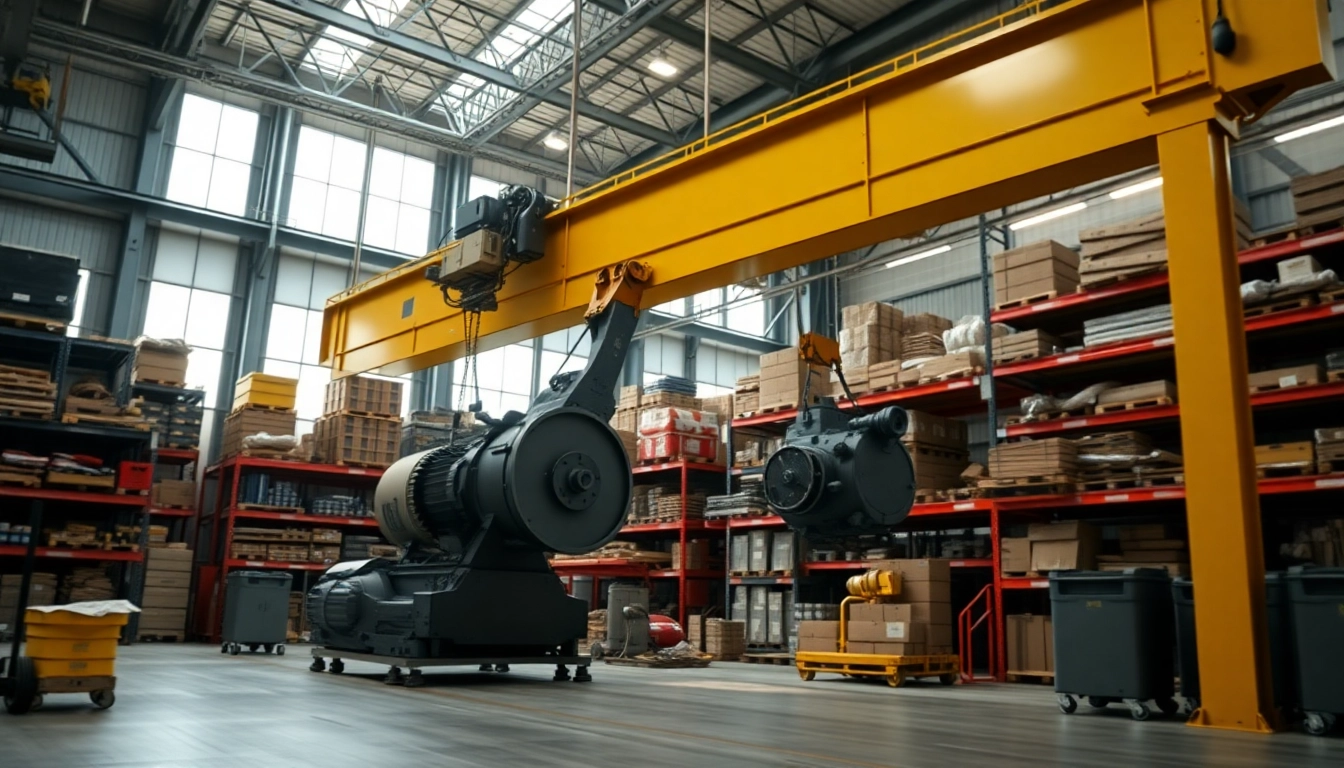
Bridge cranes, also known as overhead cranes, are essential in various industrial applications, providing efficient solutions for heavy lifting and transportation of materials within manufacturing facilities, warehouses, and construction sites. These cranes consist of a bridge beam that spans across the workspace, enabling seamless movement of goods over significant distances. When exploring options, bridge cranes offer comprehensive insights into advanced lifting technology and versatile design, making them a preferred choice for many operations.
The Basics of Bridge Cranes
At its core, a bridge crane consists of a horizontal bridge supported by two or more beams, which run along a track or rail system. The crane is designed to lift and move heavy loads with precision and ease, making it an indispensable tool in manufacturing and logistics sectors. Typically powered by electric motors, these cranes can handle various materials, including steel, machinery, and large components, enhancing productivity in diverse industries.
Types of Bridge Cranes: Options for Every Need
- Single Girder Bridge Crane: This type features a single beam, making it lightweight and cost-effective for lower lifting capacities.
- Double Girder Bridge Crane: Designed for heavier loads, it employs two beams for added strength and stability.
- Underhung Bridge Crane: This crane is suspended from the ceiling, which allows for greater headroom and is ideal for environments with limited space.
- Freestanding Bridge Crane: This option is mounted on a self-supporting structure, providing flexibility in operations around the workspace.
- Jib Cranes: While not overhead cranes, jib cranes are often confused with bridge cranes due to their lifting capabilities and use in conjunction with them.
Key Components and Their Functions
The effectiveness of a bridge crane lies in its components, which include:
- Bridge Beam: The main horizontal component that spans the workspace.
- End Trucks: Units that house the wheels and connect the bridge to the runway.
- Runway Beams: The rails upon which the crane travels, usually mounted at a height to clear operational areas.
- Hoist: The mechanism responsible for lifting and lowering loads, which can range from manual to fully automated systems.
- Control Systems: These may include pendant controls or remote controls, allowing operators to manage movements safely.
Benefits of Using a Bridge Crane in Your Operations
Bridge cranes significantly enhance operational efficiencies and safety in material handling. By integrating these cranes into your workflow, businesses can realize multiple advantages that translate to increased productivity and reduced operational costs.
Efficiency Improvements in Material Handling
One of the primary benefits of bridge cranes is their ability to improve material handling processes. With their capacity to move heavy items across a large area quickly, these cranes minimize the time taken for loading and unloading tasks. This efficiency allows for smoother assembly lines and streamlined operations, which is crucial in fast-paced industries.
Cost-Effective Solutions for Heavy Lifting
Investing in a bridge crane can lead to long-term cost savings. These cranes are designed to handle large loads with minimal manual labor, reducing the need for forklifts or other lifting equipment that may require additional operators. Furthermore, their robustness ensures they can endure heavy usage, guiding businesses toward lower maintenance costs and extended service life.
Safety Features to Protect Your Workforce
Modern bridge cranes come equipped with advanced safety features, including load limit switches, emergency stop buttons, and motion sensors to prevent accidents. These systems are designed to reduce the risk of workplace injuries, which can result in significant financial implications for businesses, both in terms of liability and operational downtime.
Implementing a Bridge Crane: Installation and Setup
Successfully integrating a bridge crane into your operations involves careful planning and execution. From site assessment to installation, each step is crucial in ensuring that the crane operates efficiently and effectively within the designated environment.
Site Assessment for Optimal Crane Placement
Before installation, conduct a thorough site assessment to determine the most effective placement for the bridge crane. Factors to consider include the ceiling height, load paths, and the layout of your facility. Appropriate placement can significantly impact the crane's efficiency and safety, maximizing its utility for different lifting tasks.
Installation Steps for a Seamless Setup
The installation of a bridge crane typically involves the following steps:
- Prepare the area by clearing obstructions and ensuring sufficient space for crane movement.
- Install the runway beams securely, ensuring they are level and properly anchored.
- Assemble the bridge and attach it to the end trucks.
- Mount the hoist on the bridge and connect it to the control system.
- Conduct final checks and adjustments to ensure everything is functioning correctly.
Testing and Adjusting Your Bridge Crane
Once installed, rigorous testing is imperative to verify the crane's operation. Perform load tests to ensure safety features function properly and make any necessary adjustments before the crane is put into regular use. Ongoing evaluations will help maintain optimal performance over its lifespan.
Maintenance Practices for Longevity and Safety
Regular maintenance of your bridge crane is essential to ensure its longevity, efficiency, and safety. Adopting a proactive maintenance strategy minimizes downtime and prolongs the operational life of your equipment.
Routine Inspections and Safety Checks
Establish a routine inspection schedule to thoroughly check all crane components, including the hoist, tracks, and control systems. Frequent checks ensure that wear and tear are identified early and addressed before they lead to major issues. Operators should also participate in safety checks to maintain awareness of potential hazards associated with crane operations.
Common Issues and How to Address Them
While bridge cranes are built for durability, issues may persist due to high-frequency use. Common issues include:
- Hoist Malfunctions: Regularly inspect the hoist for unusual sounds or movements, and ensure it operates smoothly.
- Track Alignment: Misaligned tracks can lead to operational hazards; periodically check alignment and make adjustments as necessary.
- Wear on Controls: Inspect control systems for wear and ensure they are responsive to avoid operation delays.
Best Practices for Preventive Maintenance
Implementing a preventive maintenance program can significantly enhance the performance and lifespan of your bridge crane. This program should include scheduled service appointments by certified technicians and detailed maintenance logs to track performance history and repairs.
Future Trends: The Evolution of Bridge Cranes by 2025
As technology advances, bridge cranes are poised to undergo significant changes, enhancing their performance and functionality in various industrial sectors. Understanding these trends will help businesses prepare for the future of material handling.
Integration with Smart Technology
The future of bridge cranes is increasingly tied to smart technology. Innovations such as IoT (Internet of Things) integration enable real-time monitoring and automated reporting on crane performance, leading to more efficient operations. This shift allows for predictive maintenance, where data analytics can forecast potential failures before they occur.
Sustainability in Crane Manufacturing and Use
With a growing emphasis on sustainability, manufacturers are exploring eco-friendly materials and energy-efficient systems. Future cranes will likely include more sustainable practices, reducing their carbon footprint and operational costs for businesses while promoting environmental responsibility.
Anticipating Industry Changes and Innovations
The industrial landscape is rapidly evolving, and companies must remain agile in adapting to these changes. Upcoming innovations in bridge crane technology may include enhanced safety features, further automation, and improved user interfaces, all designed to streamline operations and maximize productivity.