Understanding Commercial Roofing Services
What Are Commercial Roofing Services?
Commercial roofing services are specialized solutions tailored for businesses and institutions, focusing on the design, installation, maintenance, and repair of roofs on commercial properties. Unlike residential roofing, which typically involves sloped roofs and shingle materials, commercial roofing involves a diverse array of materials and techniques suitable for flat or low-slope roofs. These services are essential for protecting facilities from the elements and ensuring safety, longevity, and energy efficiency in the built environment.
Given the vital role roofs play in protecting a business's assets and operations, engaging in commercial roofing services is crucial. This ranges from selecting the appropriate materials and systems to ongoing maintenance and emergency repairs, all of which contribute to the overall functionality and value of the property.
Types of Commercial Roofing Systems
There are several types of commercial roofing systems, each with distinct characteristics, advantages, and challenges associated with their installation and maintenance. The main types include:
- Built-Up Roofing (BUR): Composed of multiple layers of waterproof materials, topped with gravel, BUR systems offer excellent protection against the elements and are known for their durability.
- Modified Bitumen: This system consists of a single-ply membrane that can be rolled out on the roof and sealed to prevent leaks. Its flexibility and easy installation make it a popular choice.
- Single-Ply Membrane: Includes TPO (Thermoplastic Olefin), EPDM (Ethylene Propylene Diene Monomer), and PVC (Polyvinyl Chloride). These membranes are lightweight and energy-efficient, offering varying levels of durability and cost-effectiveness.
- Metal Roofing: Suitable for a range of commercial buildings, metal roofs are durable, long-lasting, and can be made from materials like aluminum or steel. They are also highly reflective, promoting energy efficiency.
- Green Roofs: These roofs incorporate vegetation and soil, providing natural insulation and improving air quality. They require specialized installation and maintenance but are increasingly popular for sustainability-minded businesses.
Key Benefits of Using Professional Services
Engaging professional commercial roofing services offers numerous benefits that go beyond simply having a roof over your head. These include:
- Expertise: Professional roofing contractors possess the necessary training and experience to handle complex installations and repairs, ensuring that every job is done correctly the first time.
- Quality Materials: Roofing professionals have access to high-quality materials that are often not available to the general public, which can significantly improve durability and performance.
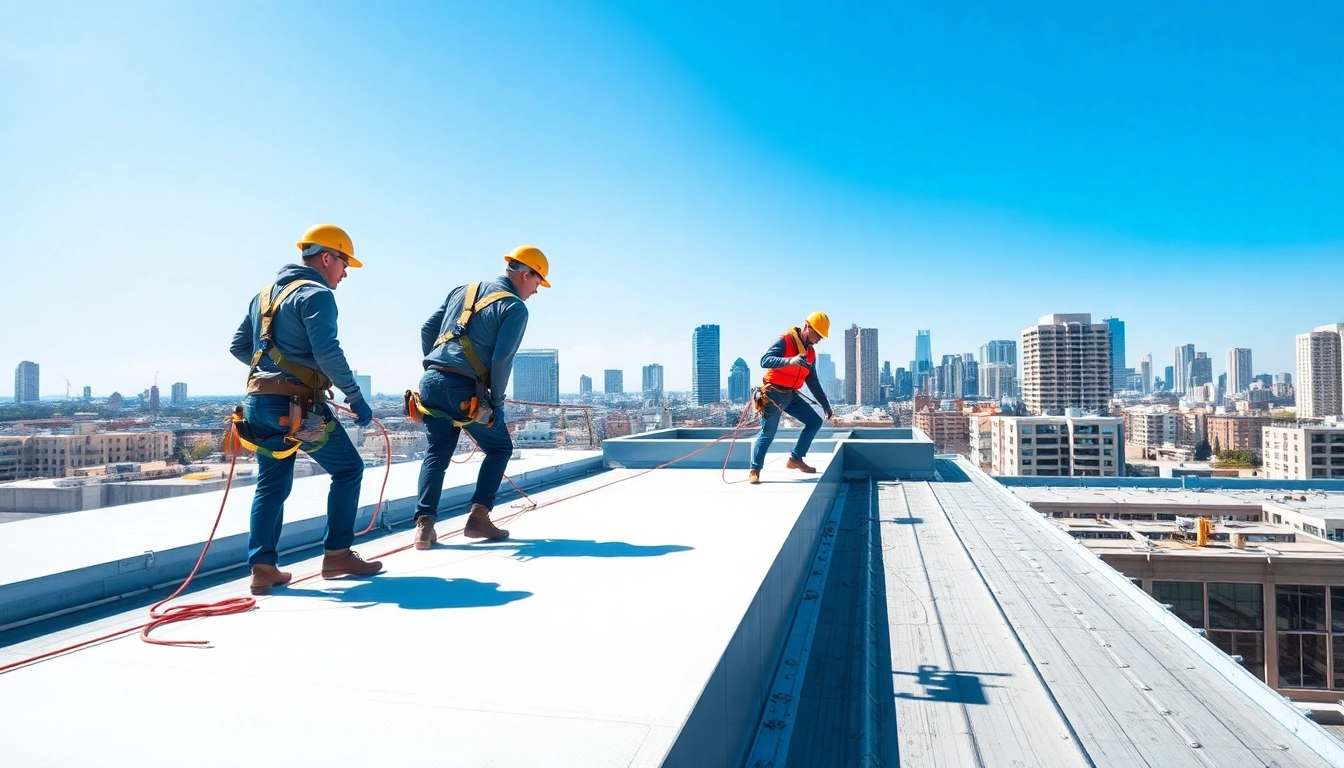
- Safety: Roofing work can be dangerous, involving heights and heavy materials. Professionals have the training and safety equipment needed to prevent accidents and injuries on the job site.
- Time Efficiency: Professionals can complete roofing projects more quickly than an untrained individual, minimizing disruptions to business operations and ensuring timely project completion.
- Warranty Protection: Many commercial roofing services offer warranties, providing peace of mind that the investment will be protected well into the future.
Choosing the Right Commercial Roofing Material
Assessing Environment and Climate Needs
When selecting a roofing material, it's crucial to assess the environmental and climate conditions that will impact the roof's longevity and performance. Factors to consider include:
- Weather Patterns: Areas with heavy rainfall, snow, or extreme temperatures may require different roofing materials designed to withstand such conditions.
- Environmental Concerns: Sustainability may play a role in material choice. Opting for eco-friendly materials or designs that incorporate green features may be essential for some businesses.
- Building Orientation: The positioning of the building can influence solar exposure and wind patterns, impacting which roofing type will perform best.
Top Materials for Commercial Roofing Services
Choosing the right roofing material is primarily guided by the requirements of your specific commercial building. Some of the top materials include:
- TPO: Known for its energy efficiency, TPO membranes are easy to install and are resistant to UV light and chemical exposure.
- EPDM: This material is durable and offers excellent weather resistance, making it a popular choice for flat-roof applications.
- Metal: Highly durable and requiring low maintenance, metal roofing can handle various weather conditions and offers excellent energy efficiency.
- Modified Bitumen: This material combines the benefits of BUR and single-ply systems, offering a reliable option for low-sloped roofs.
- Built-Up Roofing: Ideal for flat roofs, BUR provides robust protection and is an established choice for commercial rooftops.
Cost vs. Durability Considerations
Deciding on roofing materials often involves a careful analysis of cost versus durability. While it may be tempting to choose cheaper materials to save costs upfront, it's essential to consider long-term implications such as:
- Longevity: More durable materials may require a higher initial investment, but they often last significantly longer, offering cost savings over time.
- Maintenance Costs: Some materials necessitate more frequent maintenance than others. Identifying these costs can help you make an informed decision.
- Insurance Impact: Certain roofing materials may reduce insurance premiums, enhancing overall value.
Commercial Roofing Installation Process
Pre-Installation Site Assessment
Before installation begins, a thorough site assessment is crucial. This involves checking the existing roof condition, measuring dimensions, and evaluating drainage systems and surrounding structures. During this phase, contractors often take the time to discuss project timelines, material options, and any potential challenges that may arise.
Preparation for Installation
Proper preparation ensures a smooth installation process. Key preparatory steps might include:
- Removing Existing Roofing: If a roof replacement is necessary, previous roofing materials need to be carefully removed to expose the underlying structure.
- Repairing Decking: Any damaged decking must be repaired or replaced to provide a solid foundation for the new roof.
- Clearing the Site: Ensure that the roof area is free from debris, tools, and other hazards before commencing installation.
Step-by-Step Installation Guide
The installation process varies depending on the roofing material chosen. However, the general steps often include:
- Underlayment Installation: For many roofing systems, a protective underlayment is first installed to enhance waterproofing.
- Main Material Application: Roofers will then apply the primary roofing material, whether it be rolls of TPO, layers of BUR, or panels of metal roofing.
- Sealing and Finishing: It is critical to ensure that all seams are properly sealed to prevent leaks and that the roof surface is smooth and securely attached.
- Final Inspection: Once installed, a thorough inspection guarantees that all elements meet safety and quality standards.
Maintenance of Commercial Roofs
Importance of Regular Maintenance
Routine maintenance is essential for prolonging the lifespan and performance of commercial roofs. An effective maintenance program can help identify issues early, mitigate potential problems, and extend the roof’s life significantly. Key components include regular inspections, cleaning debris, and ensuring all drainage systems function properly.
Common Issues and Troubleshooting
Even with proper care, commercial roofs can face several common issues, such as:
- Leaks: The most prevalent problem, often resulting from damaged seams, flashing, or punctures.
- Ponding Water: Poor drainage can lead to water pooling, which can warp materials and lead to leaks.
- Blisters and Cracks: These can develop in roofing systems due to thermal expansion and contraction.
Identifying and addressing these issues promptly can prevent costly repairs and extend the roof's service life.
Best Practices for Roof Care
Implementing best practices in roof maintenance includes:
- Regular Inspections: Conduct detailed inspections at least biannually, with additional checks after severe weather events.
- Professional Maintenance Contracts: Engaging the services of professionals for regular upkeep can help maintain roof integrity.
- Keep Roof Clear: Regularly clear any debris, leaves, and branches that can trap moisture and cause deterioration.
Maximizing Lifespan of Your Commercial Roof
Evaluating the Need for Repairs vs. Replacement
Determining whether to repair or replace a roof can be challenging. Businesses should evaluate:
- Extent of Damage: Minor issues may warrant repairs, while widespread damage or age can indicate the need for full replacement.
- Cost Considerations: Weighing the cost of repairs against the long-term benefits of a new roof is essential for informed decision-making.
- Roof Age: Most commercial roofs have a finite lifespan. Knowledge of the roof's age and materials can guide decisions.
Long-Term Maintenance Contracts
Establishing a long-term maintenance contract with a professional roofing company ensures consistent care critical to maximizing roof lifespan. These contracts usually include:
- Scheduled inspections and maintenance services.
- Priority service for repairs and emergencies.
- Cost-effective solutions for upkeep and unexpected issues.
Sustainability in Commercial Roofing Services
Sustainability is becoming increasingly important in commercial roofing, with options for energy-efficient roofing systems that reduce carbon footprints and enhance energy efficiency. This involves:
- Green Roof Installations: Incorporating vegetation helps with insulation, reduces urban heat, and purifies the air.
- Energy Efficient Materials: Using materials that reflect UV rays can lower cooling costs and improve energy efficiency.
- Recycling and Rehabilitation: Many roofing companies today offer rehabilitating old roofs instead of outright replacement, reducing waste.