
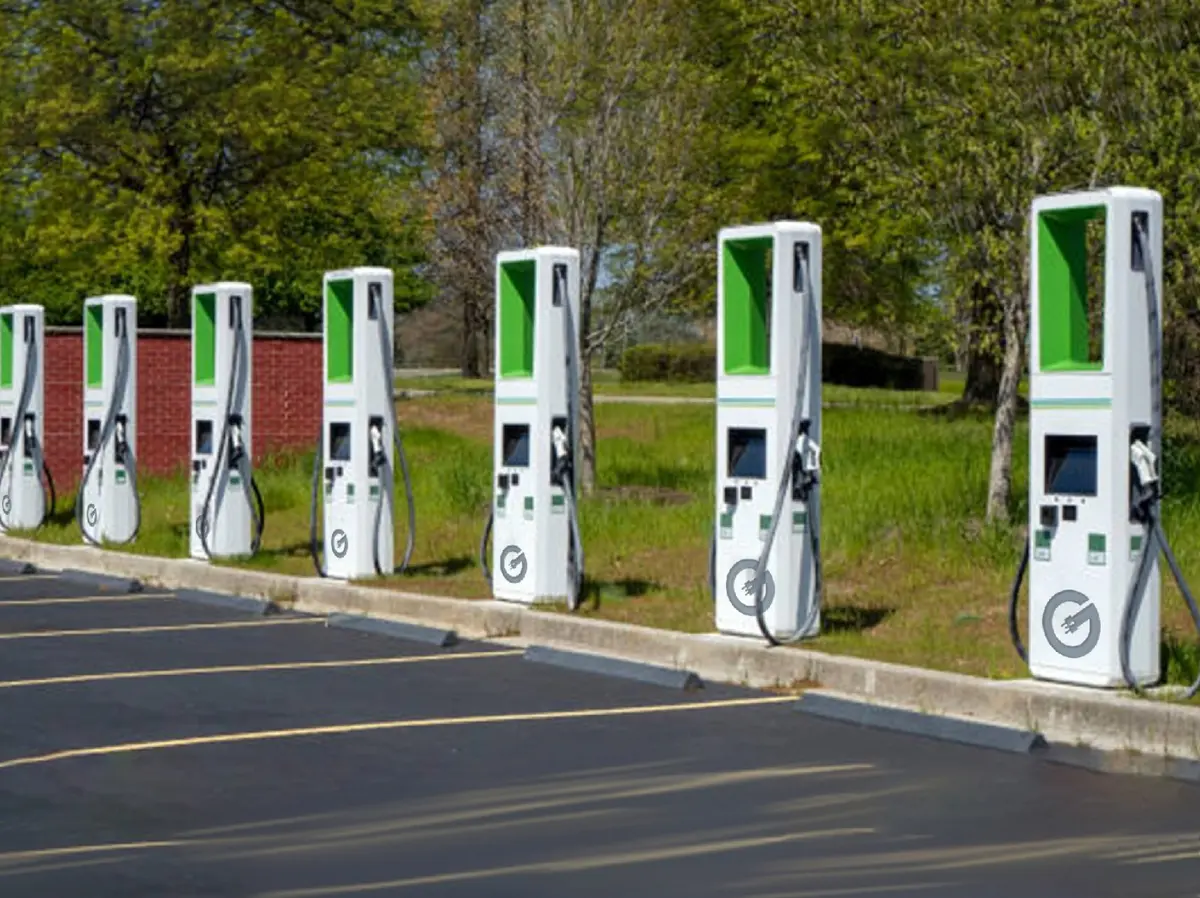
As electric vehicles (EVs) become an integral part of modern transportation, the demand for efficient and reliable charging solutions has never been higher. Businesses, fleet operators, and individual EV owners are seeking ways to minimize charging time, reduce energy costs, and improve the overall user experience. With the right EV charging solutions, you can not only streamline your charging process but also contribute to a greener, more sustainable future. In this article, we explore ten smart EV charging solutions that boost efficiency and transform how we power our electric vehicles.
1. Smart Home Chargers
Smart home chargers have revolutionized EV charging by integrating connectivity, scheduling, and energy management. These chargers allow users to control charging remotely via mobile apps, set charging schedules during off-peak hours, and monitor energy consumption. With features like automatic start and stop, smart home chargers not only enhance convenience but also optimize electricity usage, reducing costs for EV owners.
2. Fast Charging Stations
Fast charging stations are designed to deliver high power in a short time, making them ideal for public charging hubs and busy commercial areas. By providing rapid energy replenishment, these EV charging solutions minimize downtime for drivers and ensure a continuous flow of vehicles on the road. Many fast chargers support multiple EV models, allowing for seamless compatibility and broader accessibility.
3. Wireless Charging Technology
Wireless or inductive charging is an emerging solution that eliminates the need for cables and connectors. This technology allows vehicles to charge simply by parking over a charging pad. Wireless EV charging solutions enhance user convenience, reduce wear and tear on cables, and pave the way for future autonomous vehicle applications. Although adoption is still growing, this method promises a highly efficient and user-friendly charging experience.
4. Load Balancing Systems
Load balancing systems distribute electricity efficiently among multiple charging points to prevent grid overload. By intelligently managing power distribution, these systems optimize energy usage, reduce operational costs, and ensure stable performance for multiple EVs charging simultaneously. Load balancing is particularly valuable for commercial buildings, parking garages, and fleet management operations.
5. Solar-Powered Chargers
Integrating solar energy with EV charging stations is a sustainable solution that reduces reliance on the grid and lowers energy costs. Solar-powered chargers capture sunlight to generate electricity, which can either charge vehicles directly or store energy in batteries for later use. This eco-friendly approach not only supports green initiatives but also enhances energy independence for EV owners.
6. Mobile Charging Solutions
Mobile charging units provide on-demand electricity for EVs, particularly useful in emergencies, remote locations, or temporary events. These portable chargers can be deployed quickly and offer flexible solutions for fleet operators, roadside assistance, and public events. By bringing power directly to the vehicle, mobile charging solutions improve accessibility and reduce downtime.
7. Integrated Payment Systems
Modern EV charging solutions often feature integrated payment systems that allow users to pay seamlessly through apps, RFID cards, or contactless methods. This streamlines the charging experience, reduces administrative work for operators, and enables better tracking of energy usage and revenue generation. Businesses offering EV charging can enhance customer satisfaction and efficiency with these integrated systems.
8. Vehicle-to-Grid (V2G) Technology
Vehicle-to-grid technology enables EVs to return excess energy to the grid during peak demand periods. This bidirectional charging capability helps balance electricity supply, reduces strain on the grid, and allows EV owners to earn incentives for participating in energy programs. V2G is a forward-thinking solution that maximizes the utility of electric vehicles while supporting broader energy management strategies.
9. AI-Powered Charging Management
Artificial intelligence is transforming EV charging by predicting usage patterns, optimizing energy distribution, and identifying maintenance needs. AI-powered EV charging solutions analyze data in real-time to enhance efficiency, reduce wait times, and prevent system failures. By leveraging AI, operators can create a smarter, more reliable charging ecosystem that benefits both drivers and service providers.
10. Multi-Port Charging Stations
Multi-port charging stations allow multiple vehicles to charge simultaneously, reducing congestion and maximizing space utilization. These stations are particularly effective in urban areas, commercial complexes, and fleet depots. By supporting simultaneous charging, operators can cater to more users, improve customer experience, and increase overall charging efficiency.
Conclusion
Implementing smart EV charging solutions is no longer optional—it is essential for meeting the demands of the growing electric vehicle market. From smart home chargers to AI-powered management systems, these innovative solutions enhance efficiency, reduce energy costs, and create a seamless user experience. Businesses, fleet managers, and individual EV owners can all benefit from adopting these technologies, ultimately contributing to a sustainable and future-ready transportation ecosystem. By investing in intelligent charging infrastructure, you position yourself at the forefront of the EV revolution. Your journey starts at our homepage—check it out today.
Frequently Asked Questions
Q1: What are the most efficient EV charging solutions for home use?Smart home chargers with scheduling and remote monitoring capabilities are the most efficient for residential use. They reduce electricity costs and provide convenience by optimizing charging during off-peak hours.
Q2: Can EVs use solar-powered charging stations?Yes, solar-powered chargers can directly charge EVs or store energy in batteries for later use, providing a sustainable and cost-effective charging solution.
Q3: How does AI improve EV charging efficiency?AI-powered systems analyze real-time data to predict usage patterns, optimize energy distribution, reduce wait times, and prevent system failures, resulting in a more efficient and reliable charging process.