

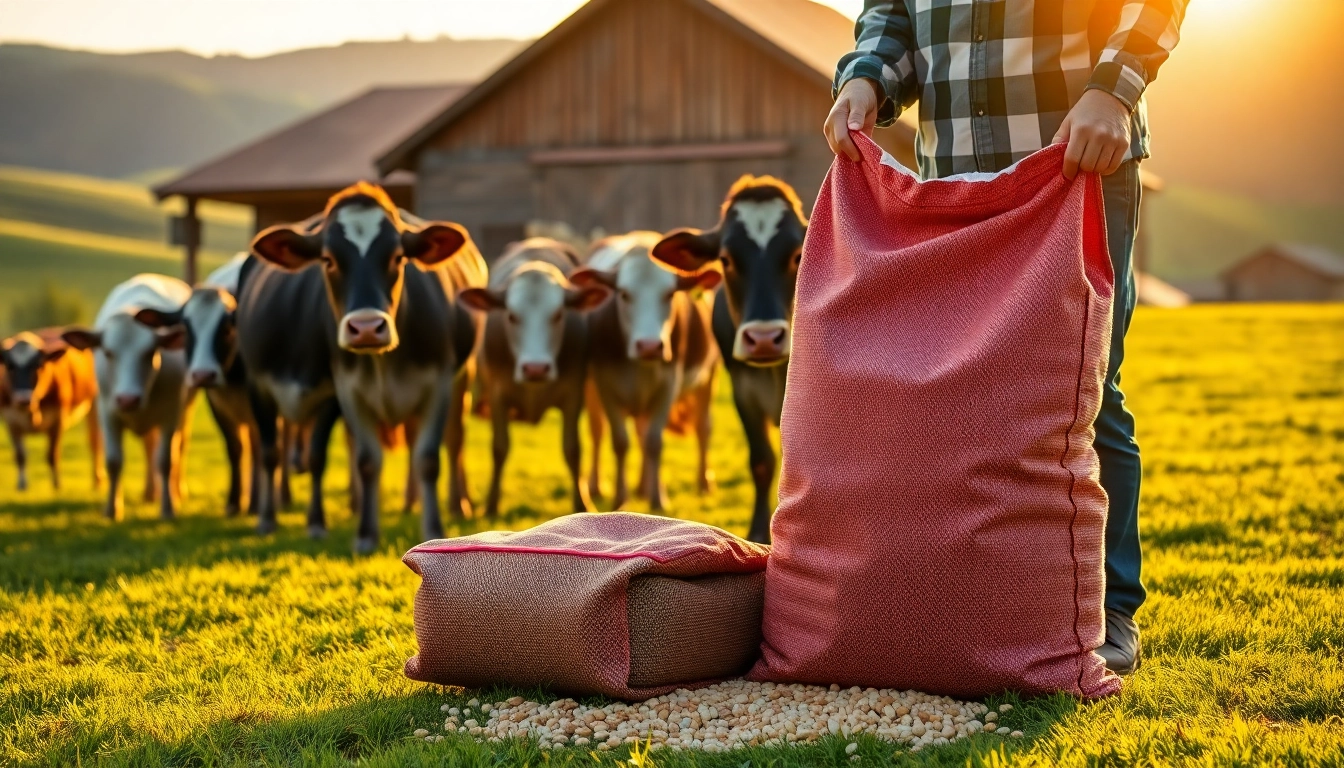
Understanding Cattle Feed Basics
Navigating the world of livestock nutrition begins with understanding Cattle Feed. The right feed not only supports cattle health but also drives productivity across operations. Given the complexity and unique dietary requirements of cattle, a firm grasp of cattle feed fundamentals can determine the success of a ranching operation.
Importance of Nutrition in Cattle
Nutrition plays a critical role in supporting the overall health of cattle, influencing everything from growth rates to reproductive success. An adequate diet ensures cattle thrive, providing energy necessary for daily activities, reproduction, and milk production. Nutrition impacts disease resistance and longevity; therefore, understanding dietary needs is essential for farmers aiming to maximize herd efficiency.
Components of Quality Cattle Feed
Quality cattle feed is a harmonious blend of various components tailored to meet the nutritional needs of cattle at different life stages. Key components include:
- Proteins: Essential for growth, reproduction, and milk production, with sources including soybean meal and alfalfa.
- Carbohydrates: Provide energy; grains like corn are common sources.
- Vitamins and Minerals: Crucial for bodily functions; dairy cattle, for instance, may require additional calcium and magnesium.
- Fiber: Important for digestion and rumen health, often supplied by hay and silage.
Types of Cattle Feed Available
Cattle feed comes in various forms, each serving a distinct purpose:
- Forage: Such as hay or silage, forms the bulk of a cattle’s diet.
- Grain: Often used to supplement energy needs and improve weight gain.
- Complete Feeds: Nutritionally balanced formulations that contain all necessary nutrients.
- Supplements: Add-ons to enhance specific needs like protein or vitamins.
Benefits of High-Quality Cattle Feed
The investment in high-quality cattle feed yields substantial benefits that resonate through an operation’s efficiency and profitability.
Impact on Growth and Production
High-quality feed translates to improved growth rates and better milk and meat production. Cattle receiving proper nutrition can reach target weights faster, which not only increases productivity but also reduces feed costs per pound of gain.
Improving Health and Longevity
Optimal nutrition supports immune function and reduces the incidence of disease. Healthy cattle experience lower veterinary costs and longer productive lifespans, contributing to the sustainability of ranch operations.
Reducing Feed Waste
Quality feed is more palatable and digestible, leading to reduced waste. Farmers can better target the nutritional needs of their herds, minimizing excess feed and lowering operational costs significantly.
Choosing the Right Cattle Feed for Your Herd
Choosing suitable cattle feed requires thoughtful consideration of several factors, ensuring that dietary needs align with operational goals.
Assessing Dietary Needs
Understanding the specific needs of beef, dairy, and young stock is crucial. Factors such as age, weight, and stage of production affect the dietary requirements, necessitating careful assessment.
Evaluating Feed Ingredients
Farmers must be diligent in evaluating feed ingredients to ensure high quality and nutritional value. Knowledge of forage analysis, protein content, and the presence of harmful additives can greatly influence feeding decisions.
Consulting with Experts
Collaboration with nutritionists and veterinarians can lead to optimized feeding strategies, tailored formulations, and overall herd health improvement. Their expertise can simplify complex dietary decisions.
Feeding Strategies for Optimal Results
Implementing the right feeding strategies can drastically enhance cattle performance and ensure optimal resource use.
Feeding Schedules and Techniques
Establishing consistent feeding schedules helps regulate digestion and nutrient absorption. Techniques such as providing feed at specific intervals can optimize intake and health among cattle.
Monitoring Feed Consumption
Regularly monitoring feed consumption ensures that individual cattle receive their required nutrients. Adjustments can be made if discrepancies arise, improving overall efficiency.
Adjusting Feed Formulations
As cattle grow, their dietary needs change. Regularly revisiting feed formulations to adjust for growth or changes in operation can optimize health and productivity.
Frequently Asked Questions about Cattle Feed
What is the best type of cattle feed for beef cattle?
A balanced feed with high protein and energy content is best for beef cattle, promoting growth and health.
How often should cattle be fed?
Feeding schedules can vary, but typically, cattle should be fed at least twice a day to maintain proper digestion.
Can cattle feed affect milk production?
Yes, quality cattle feed significantly impacts milk production, with higher-quality feed boosting yield and quality.
Is homemade cattle feed effective?
Homemade cattle feed can be effective but must be properly balanced to meet nutritional needs for optimal health.
How to store cattle feed properly?
Cattle feed should be stored in a cool, dry place in airtight containers to prevent spoilage and maintain quality.
