


Choosing the Perfect Sliding Shower Screens for Your Bathroom
Understanding Sliding Shower Screens
What are Sliding Shower Screens?
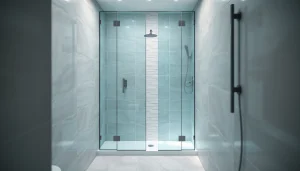
Sliding shower screens are elegant and practical barriers that enclose a shower area while allowing easy access. Unlike traditional hinged doors, which swing outward or inward, sliding shower screens move horizontally along tracks, optimizing space in the bathroom. These screens are typically made from glass, offering a modern aesthetic that can enhance any bathroom design.
Benefits of Sliding Shower Screens
One of the main attractions of sliding shower screens is their ability to conserve space. They are excellent for small bathrooms where clearance for doors might be limited. Additionally, sliding screens provide a sleek and contemporary look, contributing to a visually appealing bathroom decor. They also offer easier access for cleaning and maintenance compared to traditional shower doors.
Key Features to Consider
When selecting sliding shower screens, key features to consider include:
- Material: Tempered glass offers safety and durability, resistant to impacts while maintaining transparency.
- Frame Options: Frameless designs provide a minimalist aesthetic, while framed designs can add more structure to the look.
- Track System: High-quality roller systems ensure smooth operation and longevity.
- Size: Measuring the shower space accurately is essential to ensure a perfect fit.
Types of Sliding Shower Screens
Frameless Sliding Shower Screens
Frameless sliding shower screens provide a seamless integration into any bathroom space. The lack of metal framing creates an illusion of more space, making them perfect for contemporary bathroom designs. Typically featuring thicker glass, these screens offer durability and enhanced safety. Their minimalist design also simplifies cleaning, as there are fewer crevices for dirt to accumulate.
Framed Sliding Shower Screens
For those who prefer a more classic look, framed sliding shower screens offer a robust solution. The metal frames provide structural integrity and additional styling options through various finishes and colors. Framed screens can be a durable alternative that blends well with traditional bathroom designs, allowing for exquisite detailing.
Custom Sliding Shower Screens
If standard sizes don’t suit your needs, custom sliding shower screens can be tailored to fit unique spaces. This option is beneficial for non-standard shower dimensions, ensuring a precise and seamless fit. Additionally, customization allows for unique designs that can blend or contrast with your bathroom decor, providing a personalized touch.
Installation Process for Sliding Shower Screens
Preparation and Measurements
The first step in installing a sliding shower screen involves taking accurate measurements of your shower space. This includes measuring the height and width of the area and accounting for any fixtures or obstructions. It’s essential to ensure that the measurements conform to the specifications of the sliding screen model you choose.
Tools Needed for Installation
Installing sliding shower screens requires some essential tools:
- Level
- Circular saw (for cutting track if necessary)
- Drill and drill bits
- Measuring tape
- Screwdriver
- Silicone sealant
Step-by-Step Installation Guide
Follow these steps for a successful installation:
- Prepare the Area: Ensure the surface where the screen will be installed is clean and dry.
- Mark the Position: Use a level to mark where the top track will be placed; it should be even to avoid operational difficulties.
- Install the Top Track: Use your drill to secure the top track into place, ensuring it’s level.
- Attach Vertical Guides: Install the side guides, ensuring they align properly with the top track.
- Hang the Glass Panels: Carefully lift the glass panels onto the tracks, sliding them into place.
- Seal Edges: Apply silicone sealant around the edges for a watertight fit.
- Test the Operation: Slide the doors back and forth to ensure smooth movement.
Maintenance Tips for Sliding Shower Screens
Routine Cleaning and Care
Regular cleaning is essential to keep sliding shower screens looking pristine. Use a mixture of mild soap and water to clean glass surfaces weekly, and avoid abrasive materials that might scratch. For hard water stains, a solution of vinegar and water can help dissolve mineral deposits effectively.
Dealing with Common Issues
Common problems might include sticky tracks or misaligned doors. To address these, keep the tracks clean and lubricated with a silicone-based lubricant. If a door becomes misaligned, adjust the roller settings or the guide rails until the screen is back in proper alignment.
Longevity and Upkeep
To extend the life of your sliding shower screens, consider periodic inspections for signs of wear and tear. Ensure that all hardware is tight and secure to prevent accidents. When necessary, replace any worn parts to maintain both function and safety.
FAQs About Sliding Shower Screens
Are sliding shower screens good?
Yes, sliding shower screens are excellent for optimizing space, especially in smaller bathrooms. They provide a modern aesthetic, ease of access, and simplify cleaning.
How much do sliding shower screens cost?
The cost can range significantly based on materials and customization, typically between $700 and $2,000, depending on design and installation requirements.
Can I install sliding shower screens myself?
Yes, many homeowners choose to install sliding shower screens themselves, provided they have the right tools and follow manufacturer instructions diligently.
What materials are used for sliding shower screens?
Common materials include tempered glass for durability, along with aluminum or stainless steel for the framing and track systems, ensuring both aesthetics and strength.
Do sliding shower screens require much maintenance?
They require regular cleaning to prevent buildup of soap scum and hard water stains, but overall maintenance is minimal, especially for high-quality products.