
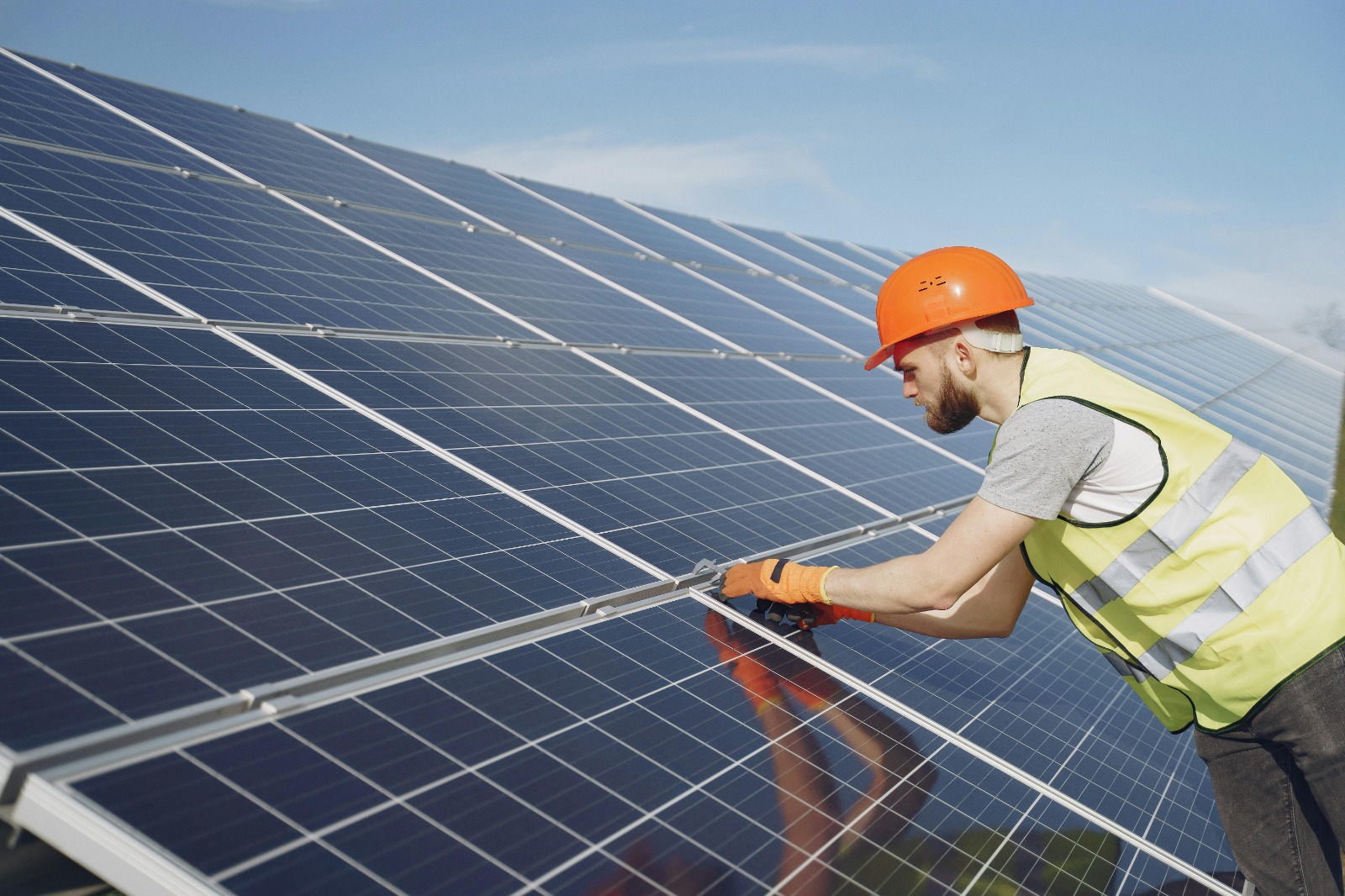
In today’s competitive business environment, controlling operational costs is essential for maximizing profits. Energy expenses, which often constitute a significant portion of a commercial property’s budget, can be substantially reduced through the adoption of solar energy. A well-planned commercial solar installation not only decreases electricity bills but also enhances corporate sustainability and improves brand reputation. Girdler Solar has identified five proven strategies that businesses can implement to ensure their solar installations deliver maximum energy savings and long-term value.
1. Conduct a Comprehensive Energy Audit
Before undertaking any commercial solar installation, it is crucial to understand your current energy consumption patterns. Conducting a detailed energy audit allows businesses to identify high-usage areas, peak demand periods, and inefficiencies in the existing electrical system. This information is invaluable when designing a solar system tailored to the specific needs of your facility. By aligning the solar installation with actual energy consumption, companies can maximize savings and ensure a faster return on investment.
2. Optimize Roof Space and Panel Placement
The efficiency of a commercial solar installation heavily depends on proper panel placement and optimal use of available roof space. Businesses should assess roof orientation, shading from nearby structures, and potential obstructions to determine the ideal layout. In some cases, ground-mounted solar arrays may provide better performance if roof space is limited or unsuitable. Partnering with experienced solar providers like Girdler Solar ensures that panels are positioned to capture the maximum sunlight, improving overall system efficiency and energy output.
3. Invest in High-Quality Solar Panels and Inverters
The quality of the components used in a commercial solar installation directly impacts the system’s performance and longevity. Investing in high-efficiency solar panels and reliable inverters may involve higher initial costs but results in superior energy production and reduced maintenance requirements over time. High-quality panels withstand environmental stressors, while efficient inverters convert the generated energy more effectively. This strategic investment ultimately leads to greater energy savings and a more predictable long-term return.
4. Implement Energy Storage Solutions
Energy storage, such as lithium-ion battery systems, is becoming increasingly important in modern commercial solar installations. By integrating storage solutions, businesses can store excess energy generated during the day for use during peak hours or power outages. This approach not only reduces dependency on the grid but also allows companies to take advantage of time-of-use electricity rates, further lowering energy costs. Girdler Solar can design systems that seamlessly integrate storage solutions to enhance energy flexibility and maximize financial benefits.
5. Leverage Incentives and Financing Options
One of the most effective strategies for reducing upfront costs in a commercial solar installation is taking advantage of available incentives, tax credits, and financing options. Federal and state programs, such as the Investment Tax Credit (ITC) and renewable energy grants, can significantly offset installation expenses. Additionally, financing options like solar leases or power purchase agreements (PPAs) allow businesses to adopt solar energy with minimal capital investment. Utilizing these programs makes solar adoption more affordable and accelerates the timeline for energy cost savings.
Additional Tips for Maximizing Solar Efficiency
Beyond the core strategies, several complementary practices can enhance the effectiveness of a commercial solar installation. Regular system monitoring ensures that panels operate at peak efficiency, while routine maintenance prevents performance degradation. Incorporating energy-efficient appliances and lighting can further reduce the facility’s electricity consumption, allowing the solar system to cover a larger portion of energy needs. Strategic planning and ongoing optimization are key to achieving the highest return on investment from your solar installation.
Benefits of a Commercial Solar Installation
Adopting a commercial solar installation offers both financial and environmental benefits. Businesses can experience substantial reductions in electricity bills, lower operational costs, and improved energy independence. Additionally, solar installations demonstrate a commitment to sustainability, which can enhance brand image and appeal to environmentally conscious consumers. With rising energy prices and increased regulatory emphasis on renewable energy, a commercial solar installation is a forward-thinking investment that delivers both immediate and long-term advantages.
Conclusion
Implementing a commercial solar installation is a strategic decision that can significantly reduce energy costs while supporting sustainability goals. By conducting a comprehensive energy audit, optimizing panel placement, investing in high-quality components, incorporating energy storage, and leveraging incentives, businesses can maximize savings and long-term benefits. With professional guidance from Girdler Solar, companies can achieve a highly efficient, reliable, and cost-effective solar energy system. Businesses that adopt these proven strategies not only improve their bottom line but also position themselves as leaders in environmental responsibility and energy innovation. Your journey starts at our homepage—check it out today.
FAQ Section
Q1: How much does a commercial solar installation typically cost?
The cost of a commercial solar installation varies depending on the system size, equipment quality, and site conditions. However, incentives and financing options can significantly reduce upfront expenses, making solar more accessible for businesses of all sizes.
Q2: How long does it take to see a return on investment from a commercial solar installation?
Most businesses begin to see a return on investment within 3 to 7 years, depending on energy usage, system efficiency, and available incentives. With rising energy costs, savings can continue to grow over the life of the system.
Q3: Can a commercial solar installation work on all types of commercial buildings?
Yes, solar installations can be adapted for various building types, including warehouses, office buildings, and retail spaces. A professional solar provider will assess the site and recommend the best system design to meet energy needs and maximize savings.